← All styles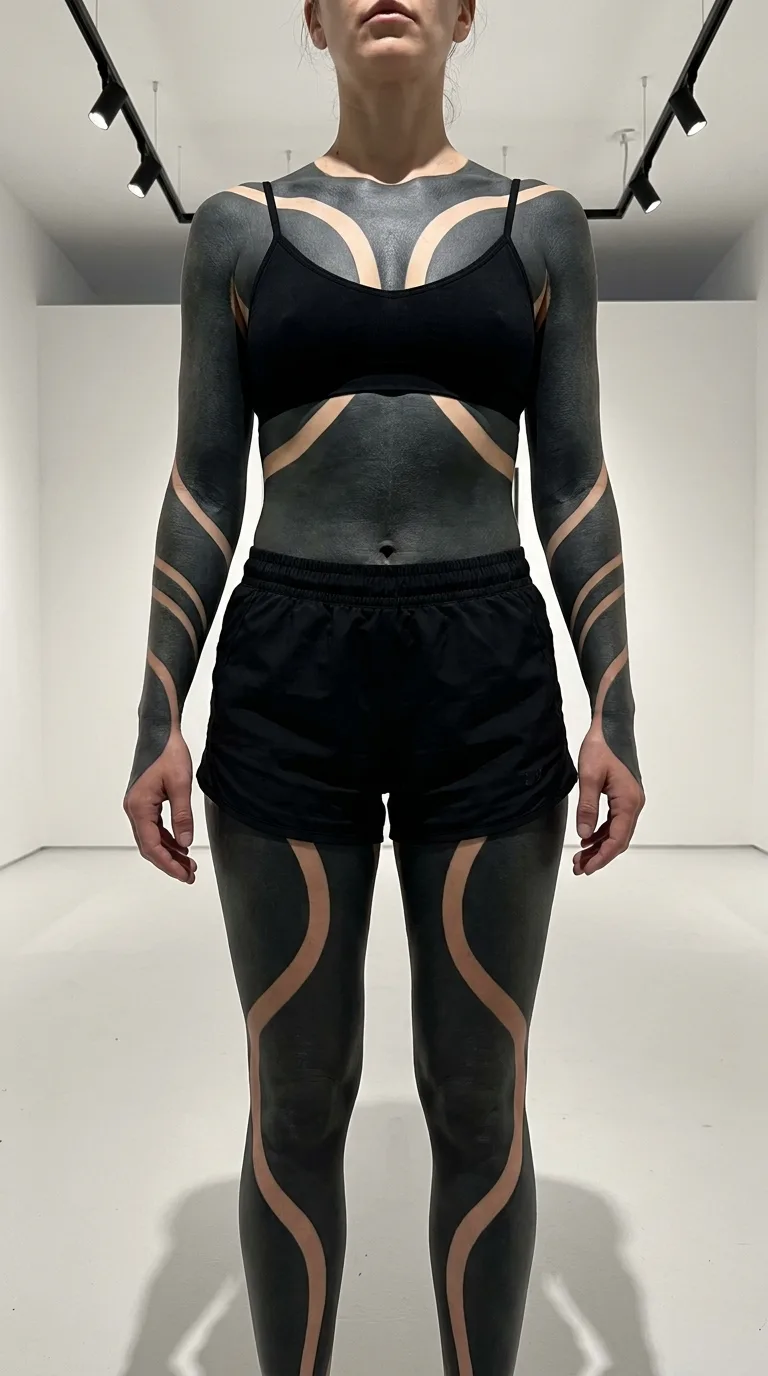

20+ Blackout Tattoo Ideas
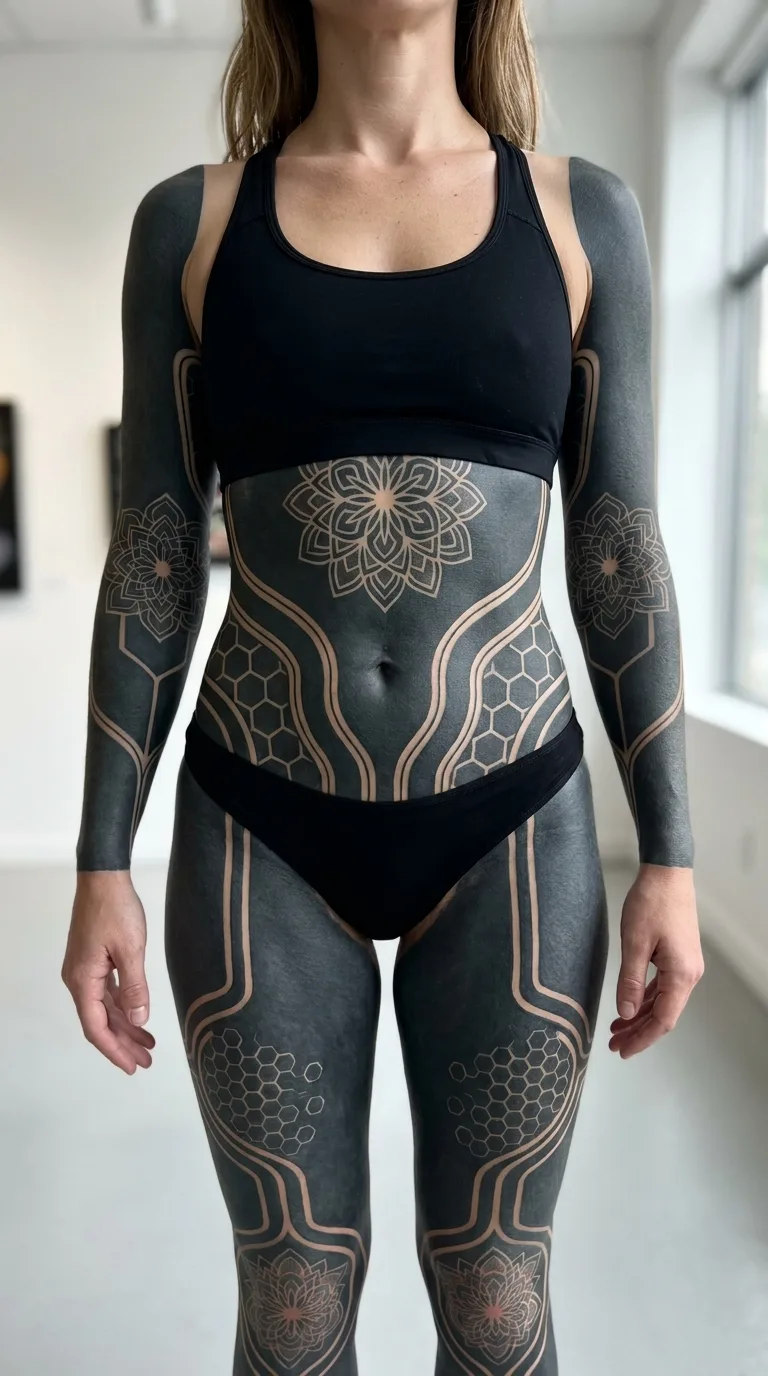
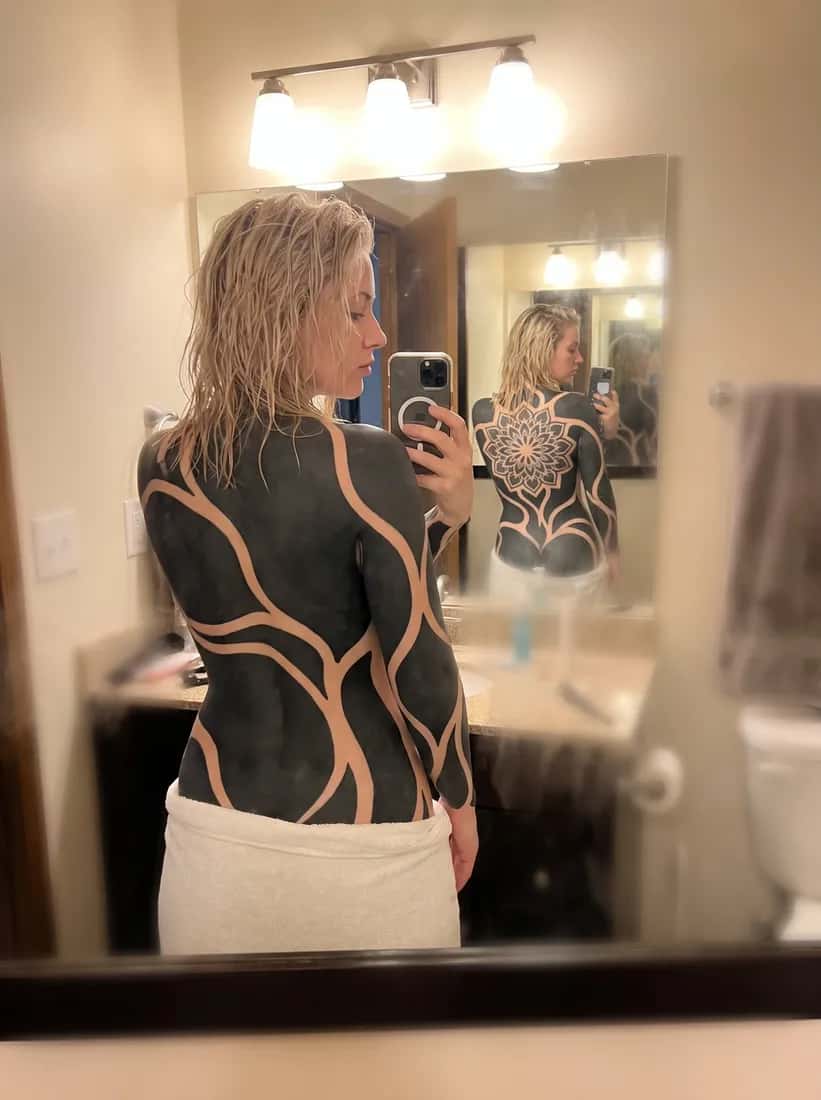
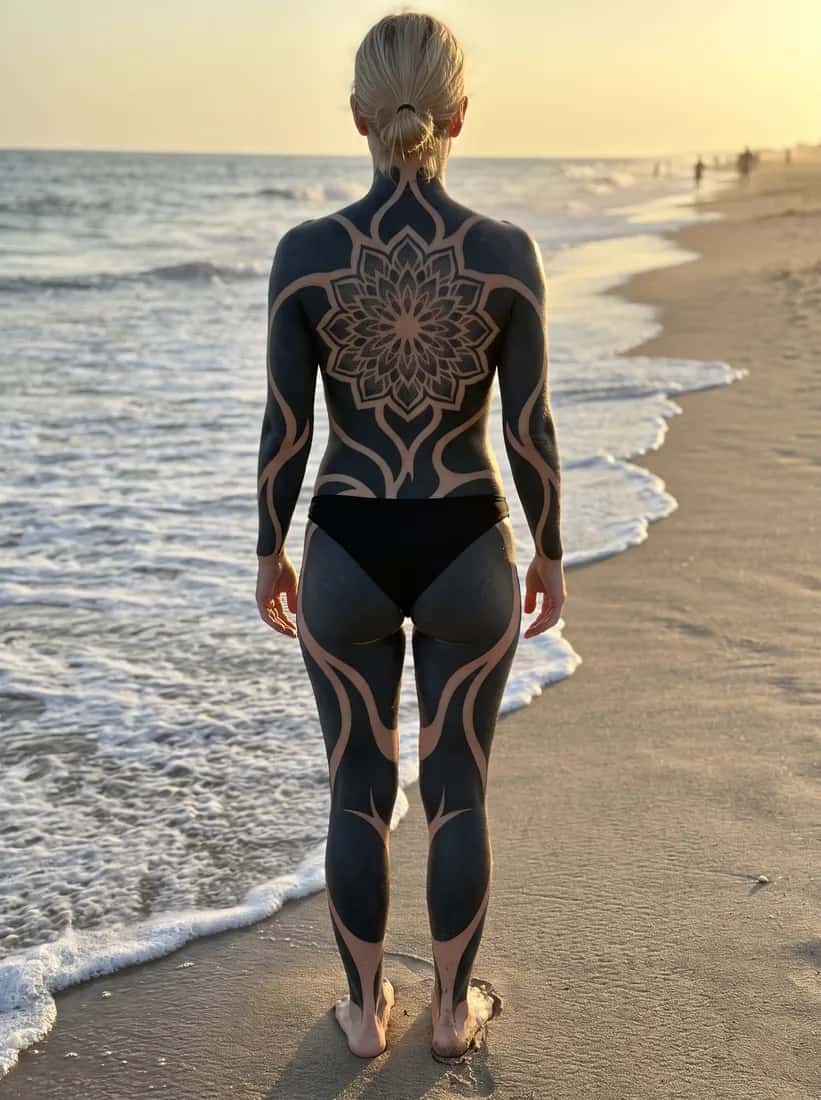
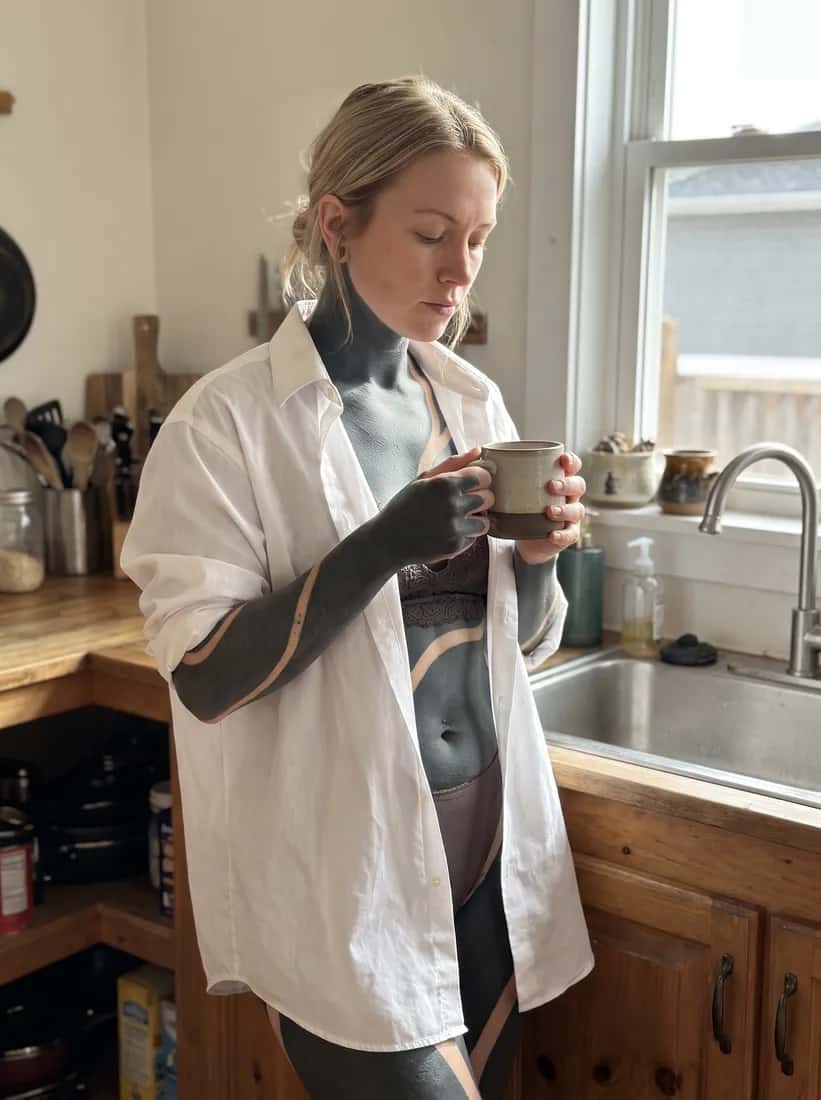
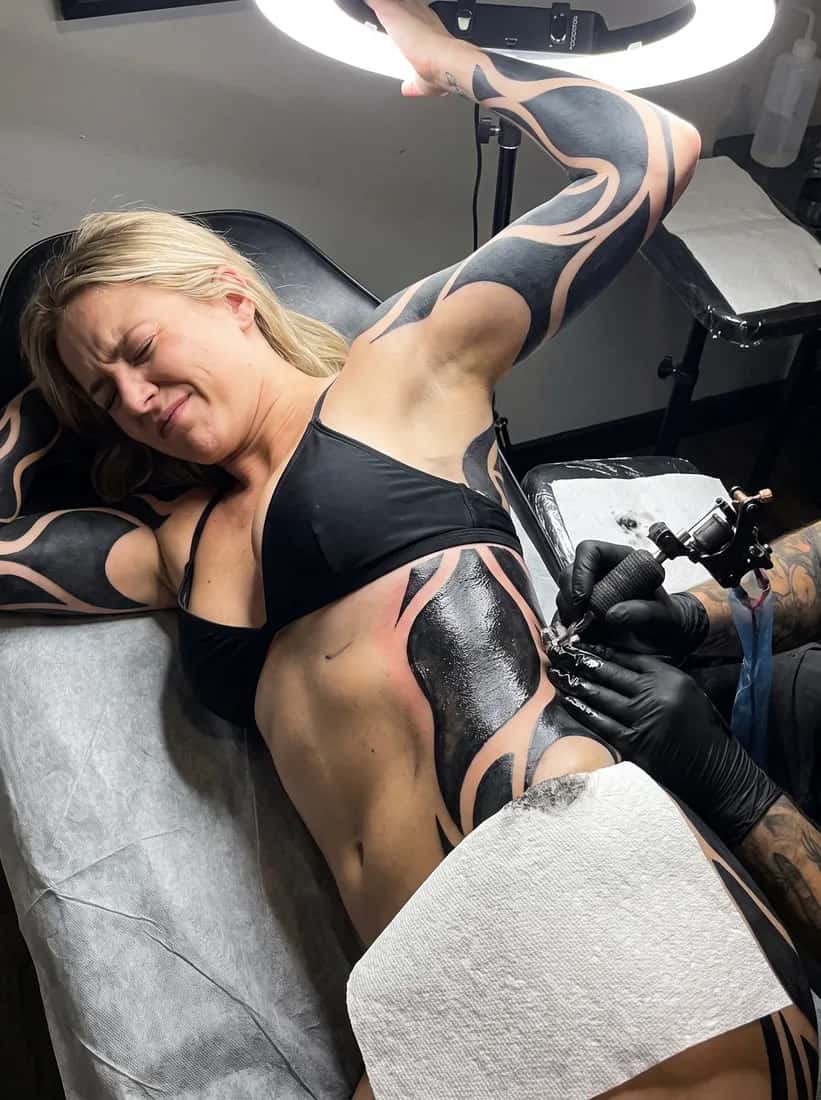
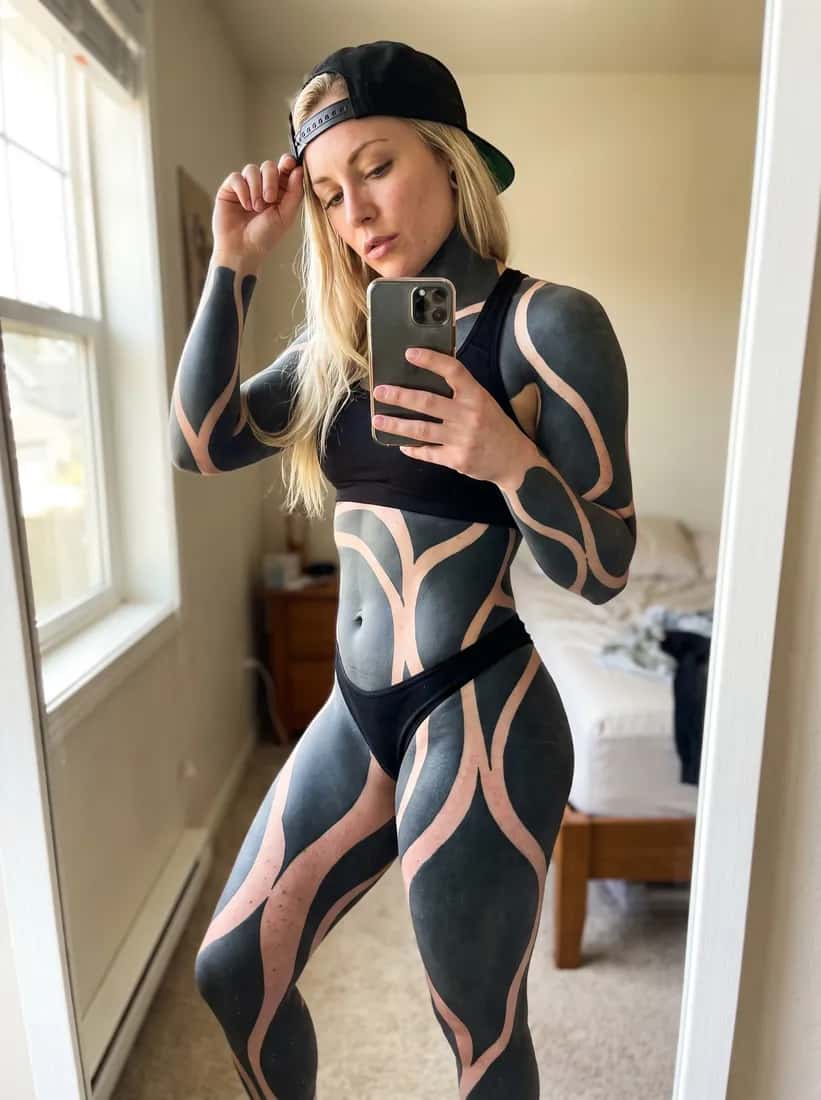
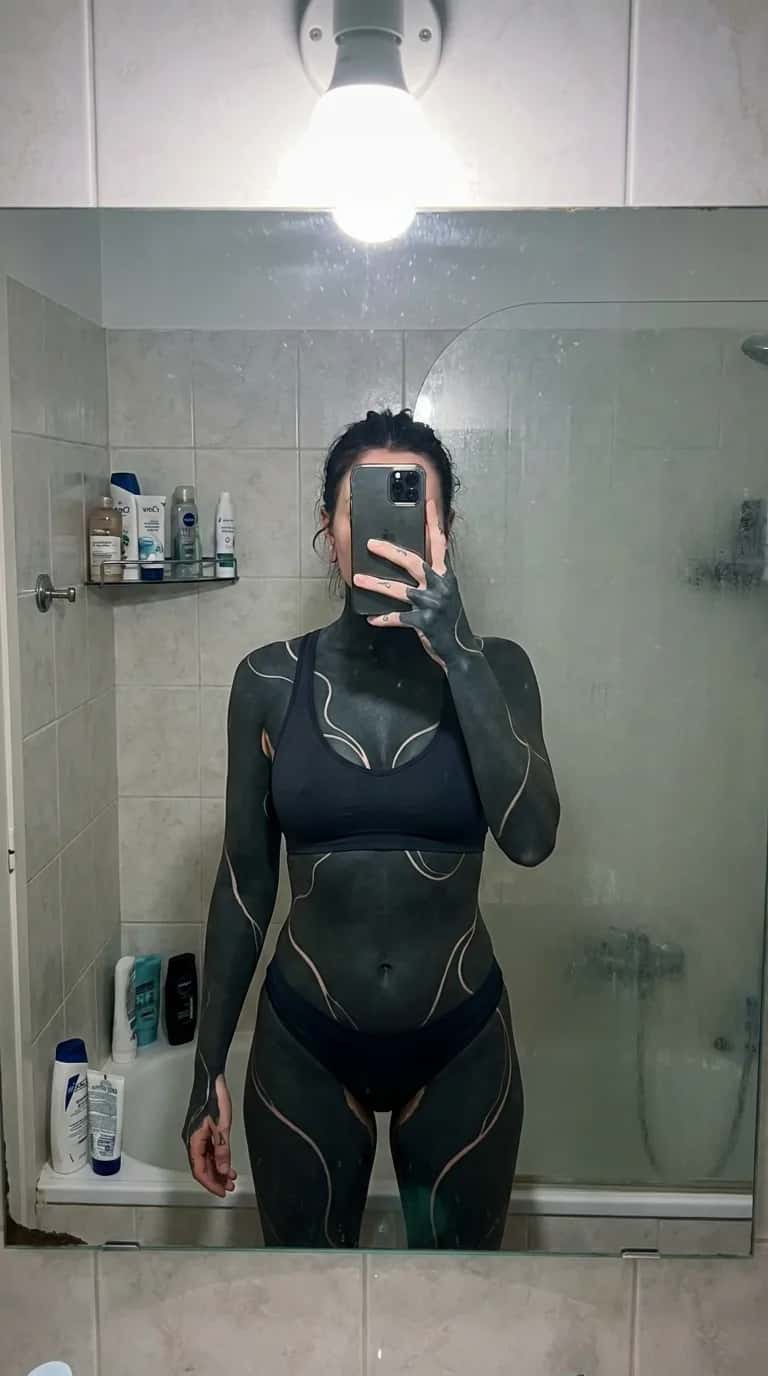
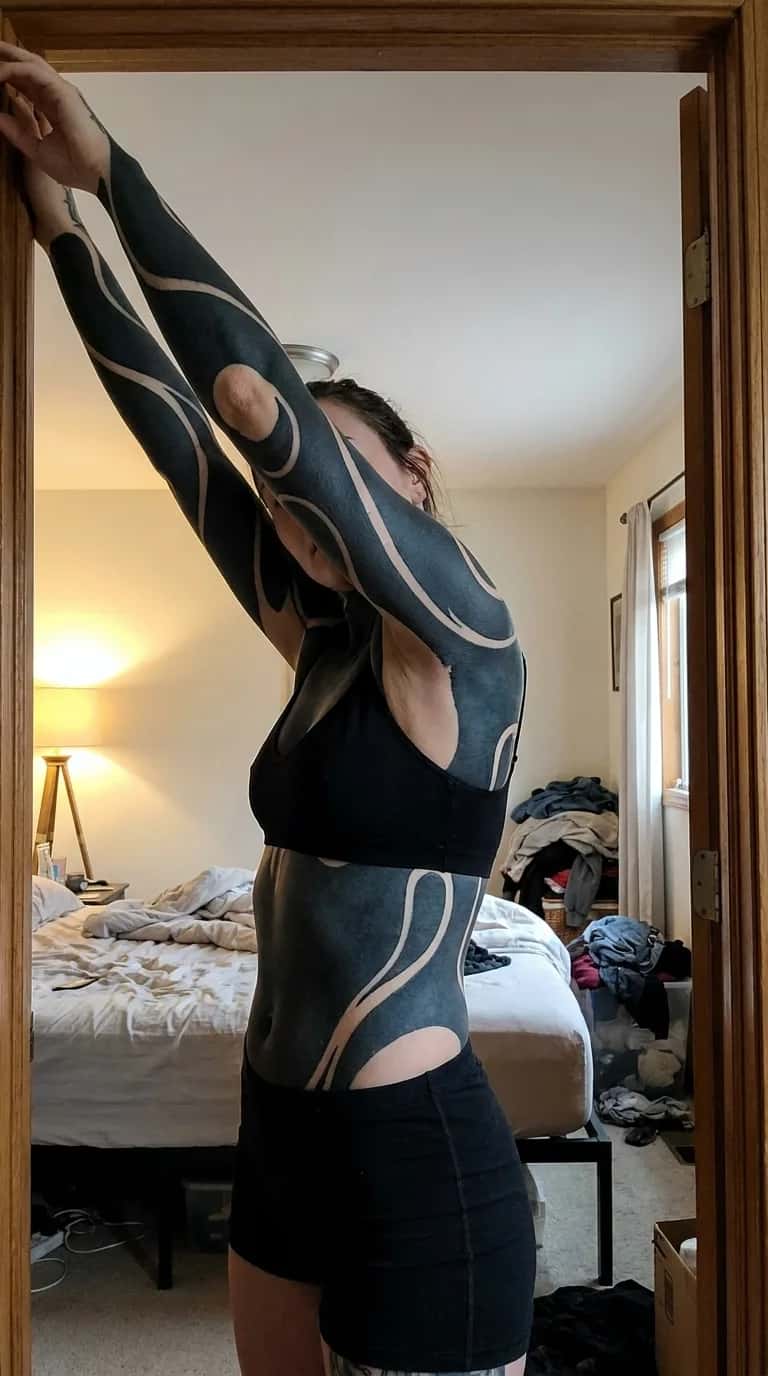
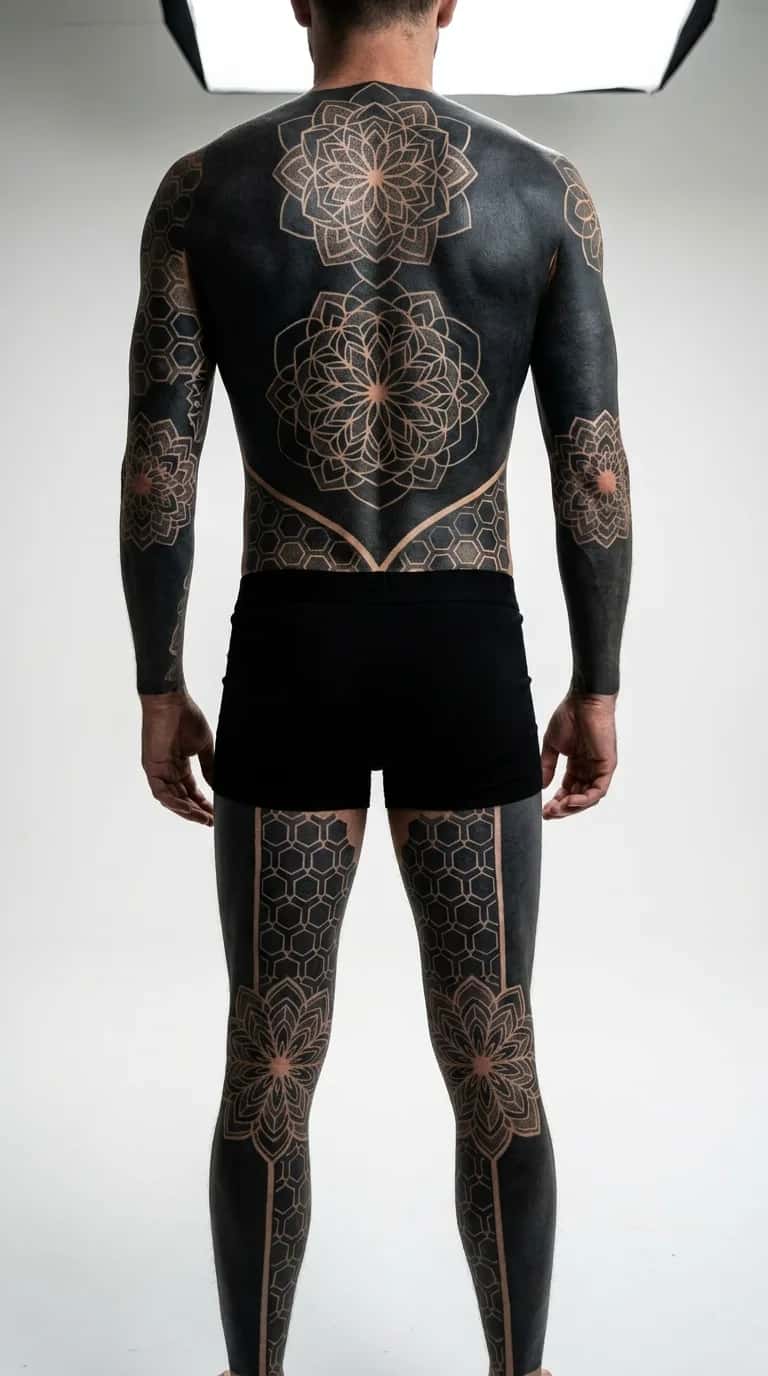
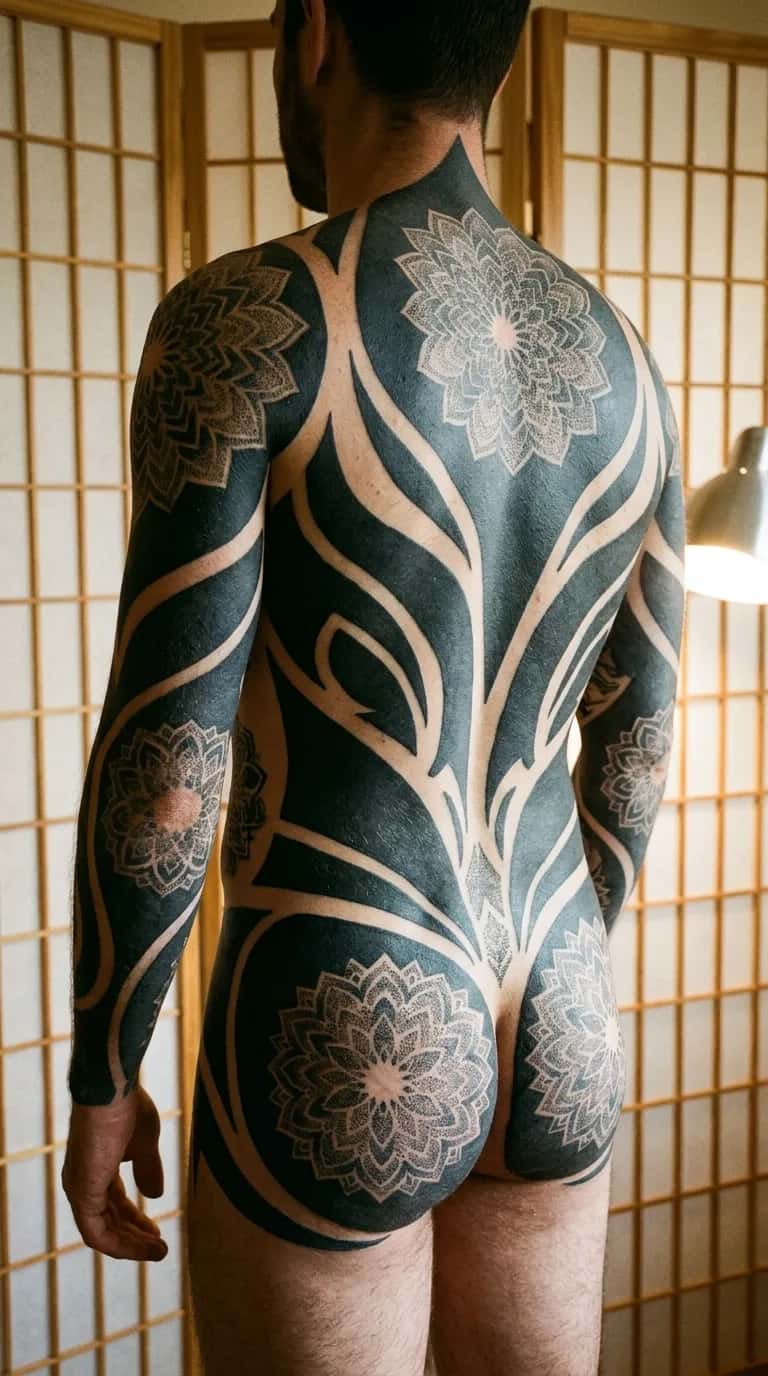
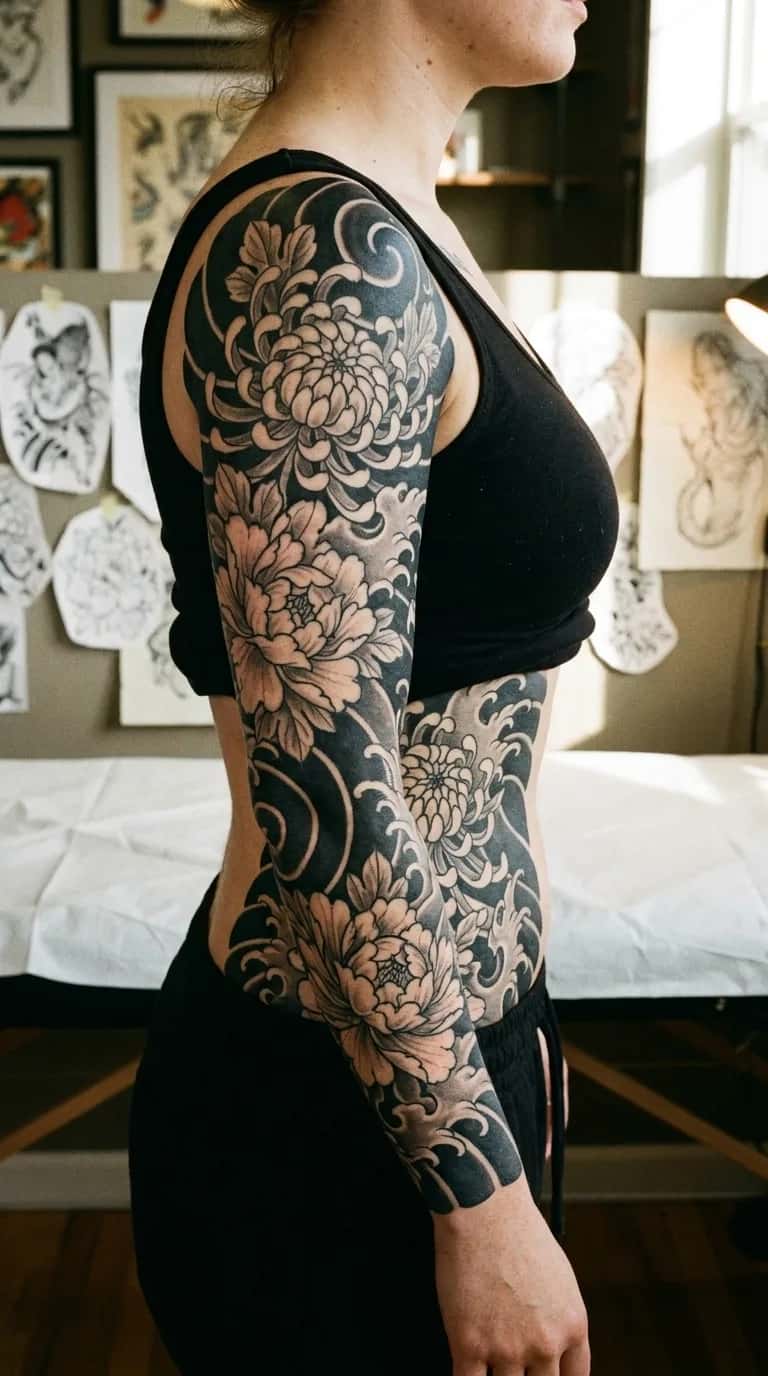
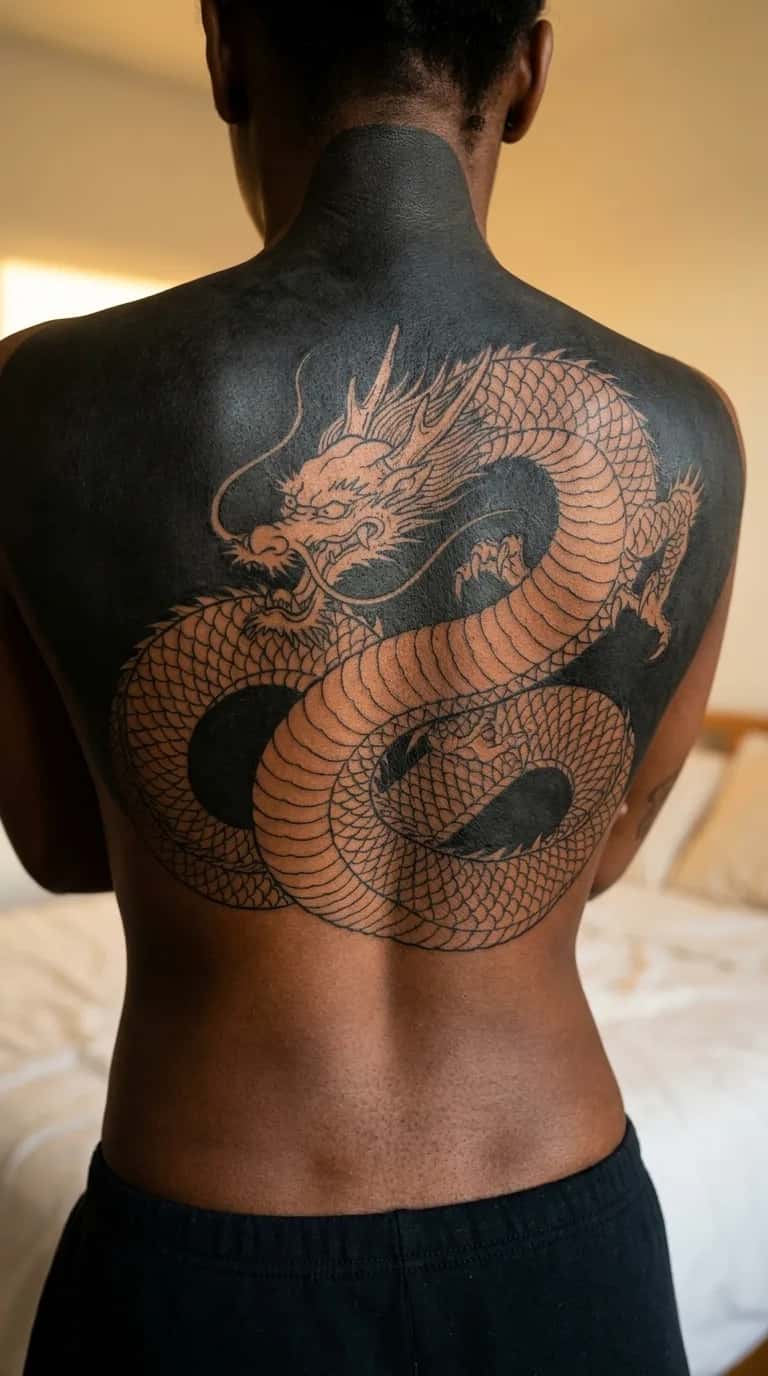
Blackout is the boldest statement in modern tattooing: large areas of skin saturated in solid black, with the design living in the negative space — the bare-skin channels left behind. Done well it is graphic, architectural and unmistakable from across a room.
Generate blackout concepts in seconds
See your blackout idea before it's permanent. Try multiple compositions side by side — free, no watermark.
Generate blackout designs →Where Blackout came from
Blackout emerged from contemporary blackwork and tribal traditions, pushed forward by artists treating solid black as the canvas rather than the line. The 'hard' blackout look — bold straight channels and angular brackets carved from the black — sits alongside softer organic-river styles and sacred-geometry negative space. It is also a popular route for covering or unifying older tattoos.
Signature motifs & elements
Organic channels
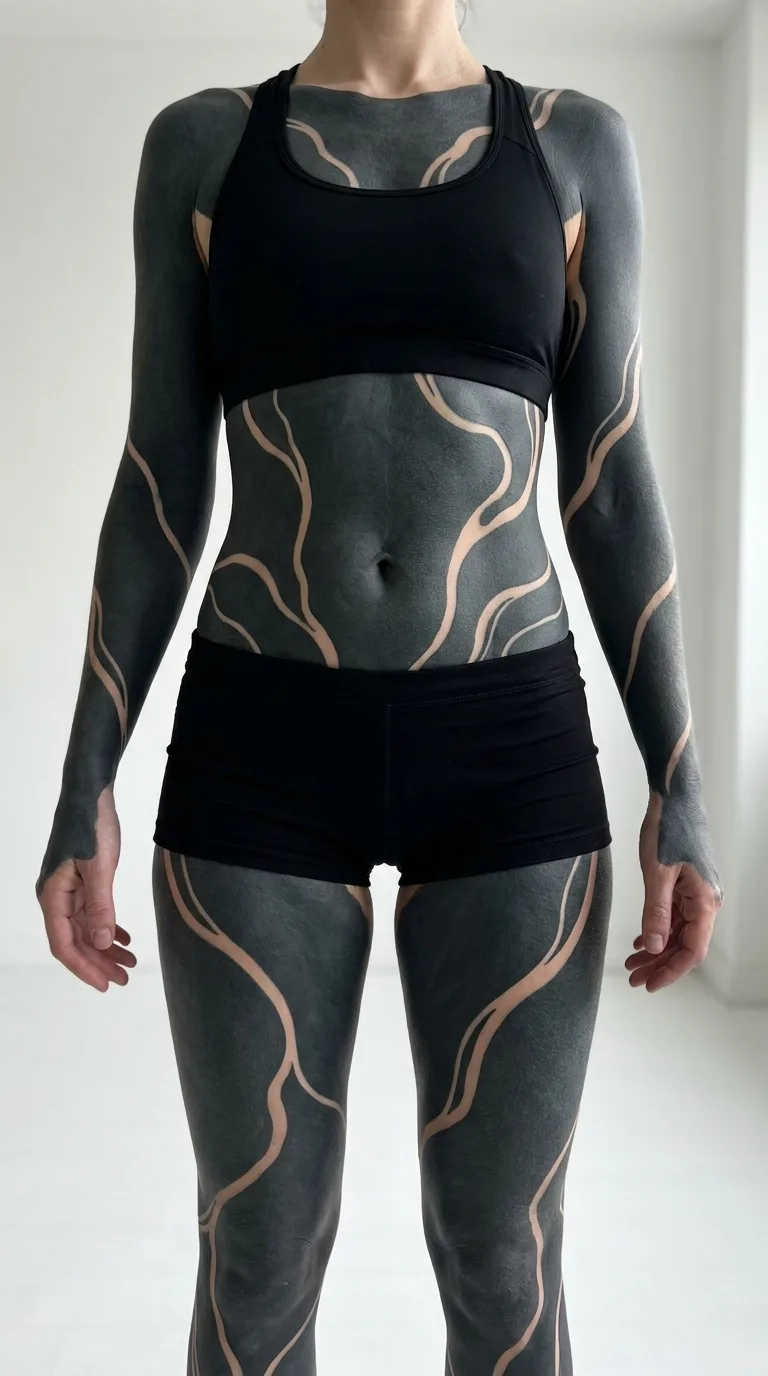
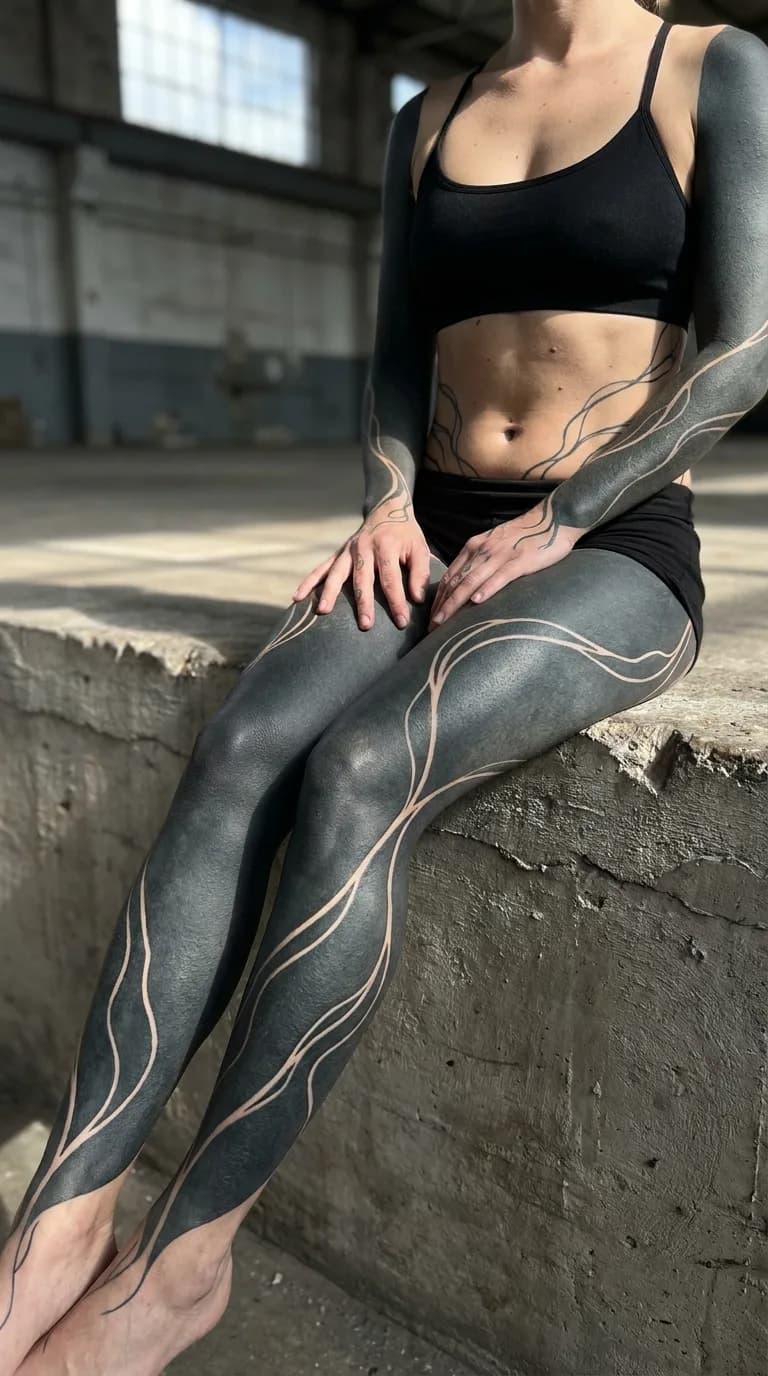
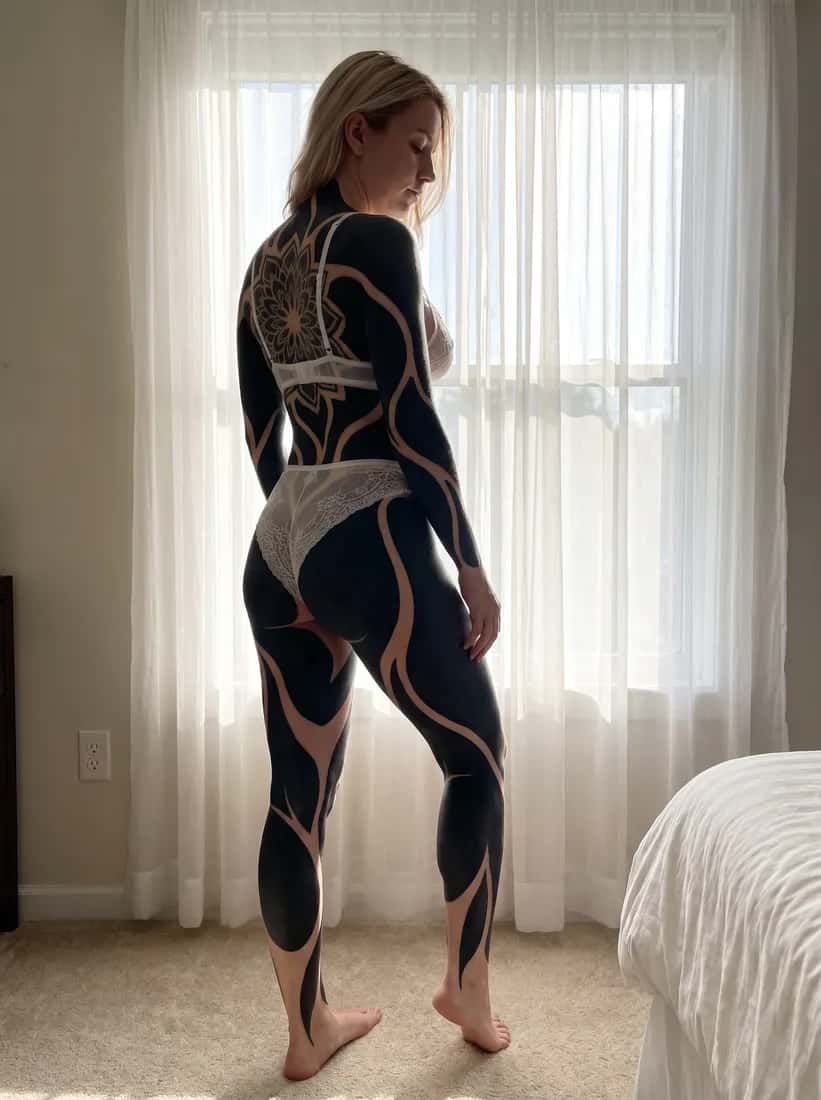
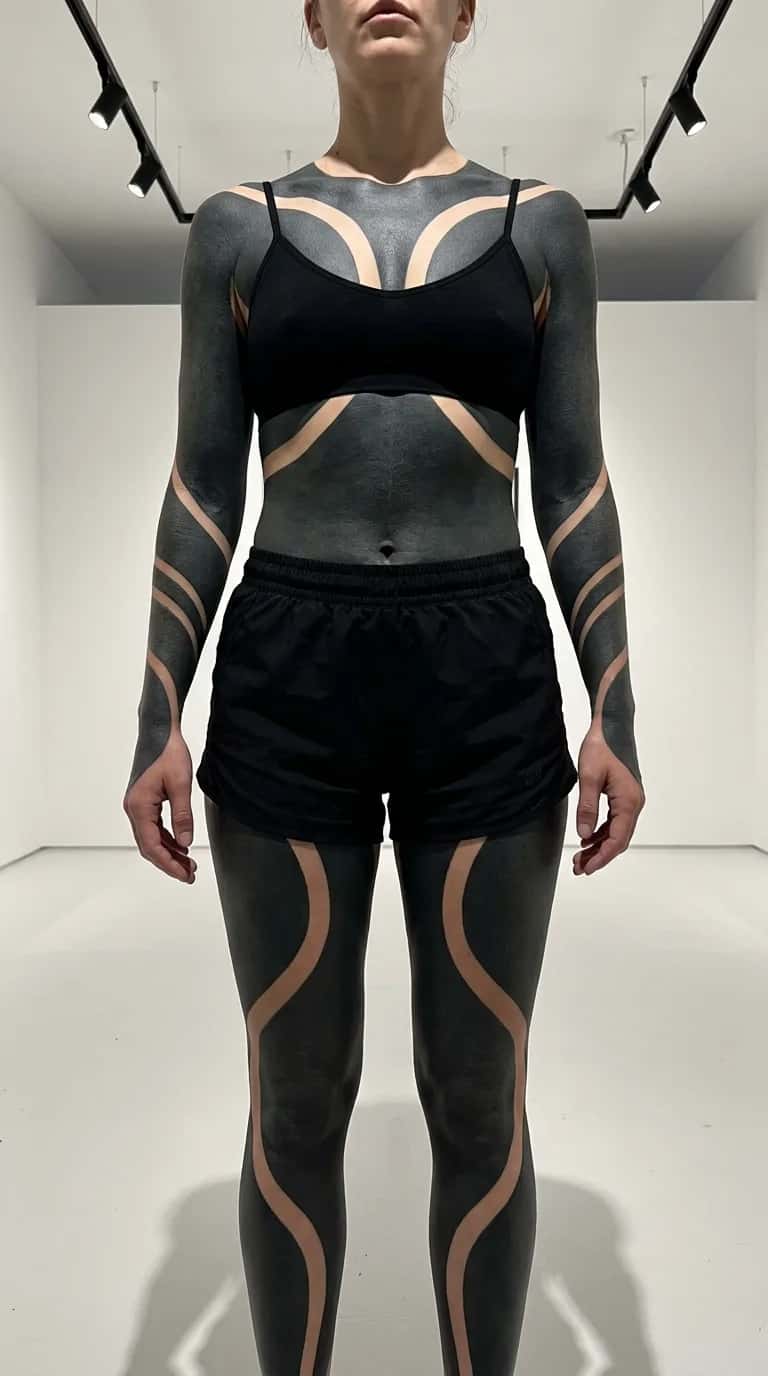
Flowing rivers of bare skin sweeping through solid black.
Hard linework
Bold straight channels, right angles and chevrons — graphic and architectural.
Sacred-geometry negative space
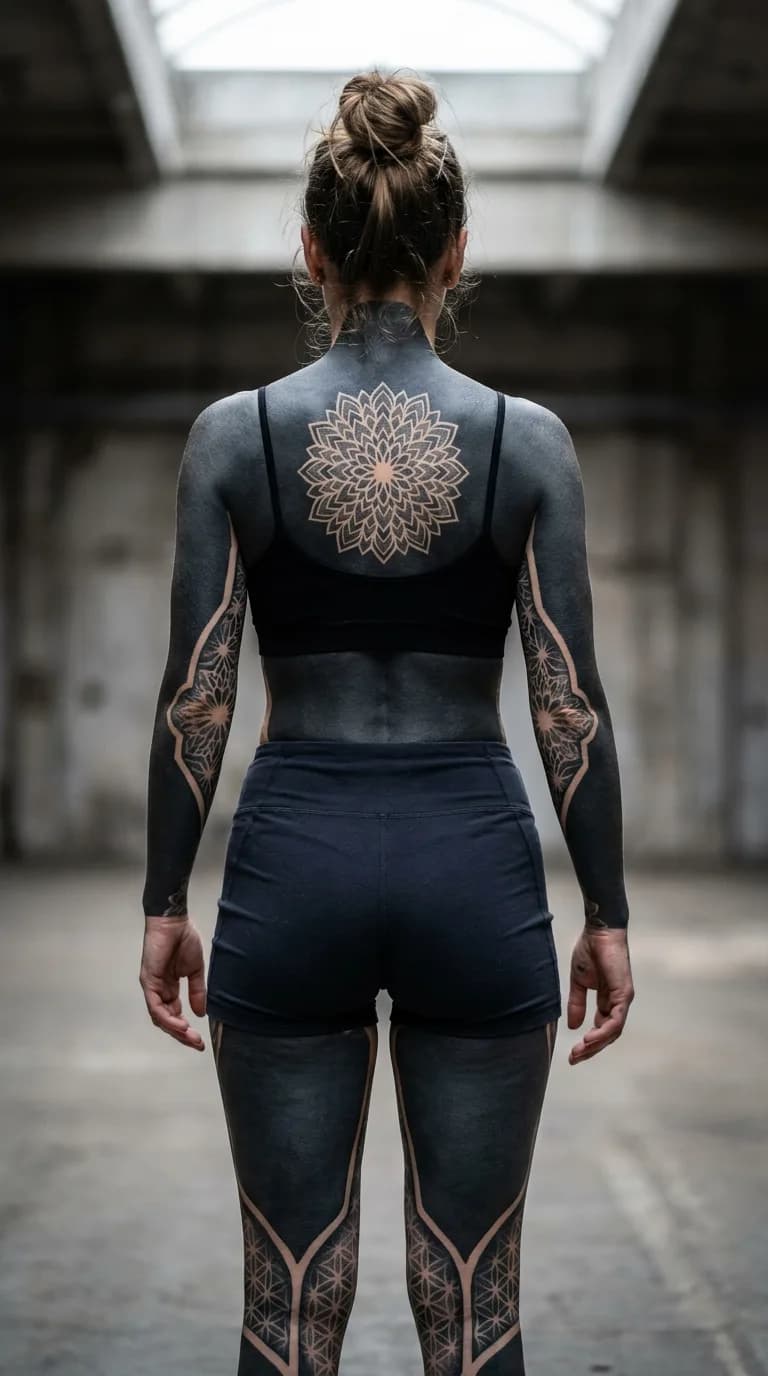
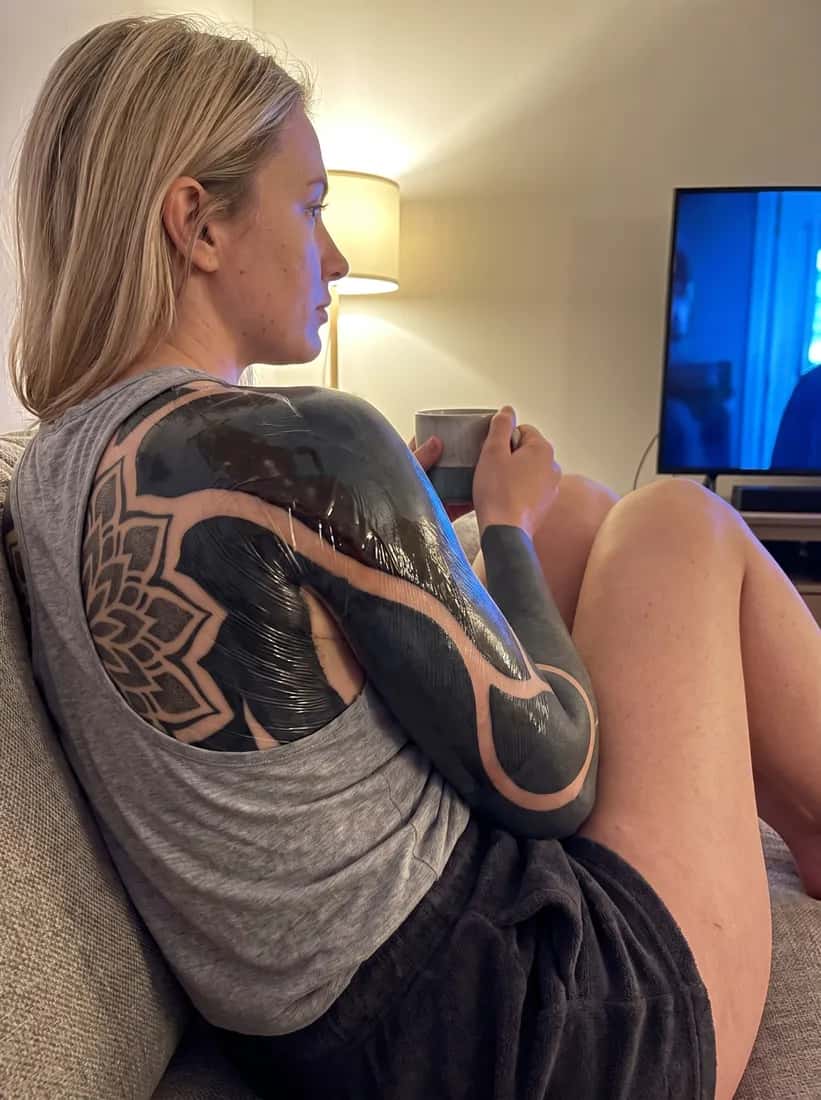
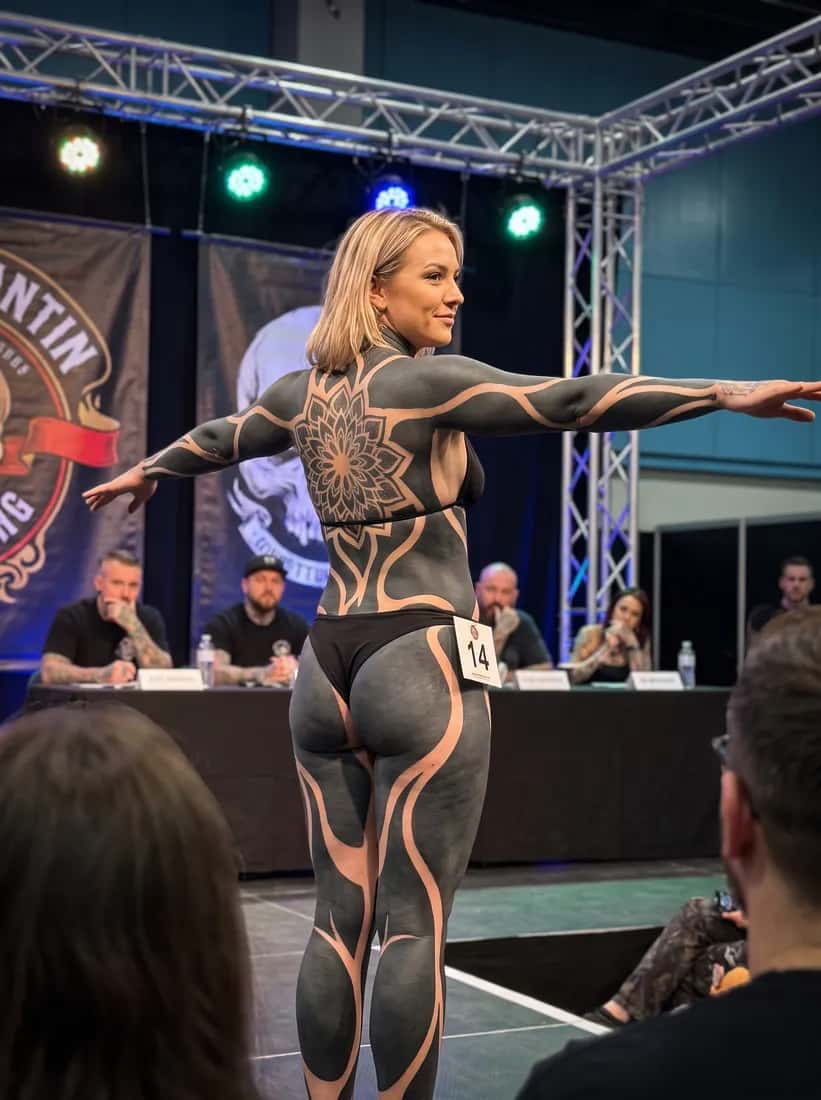
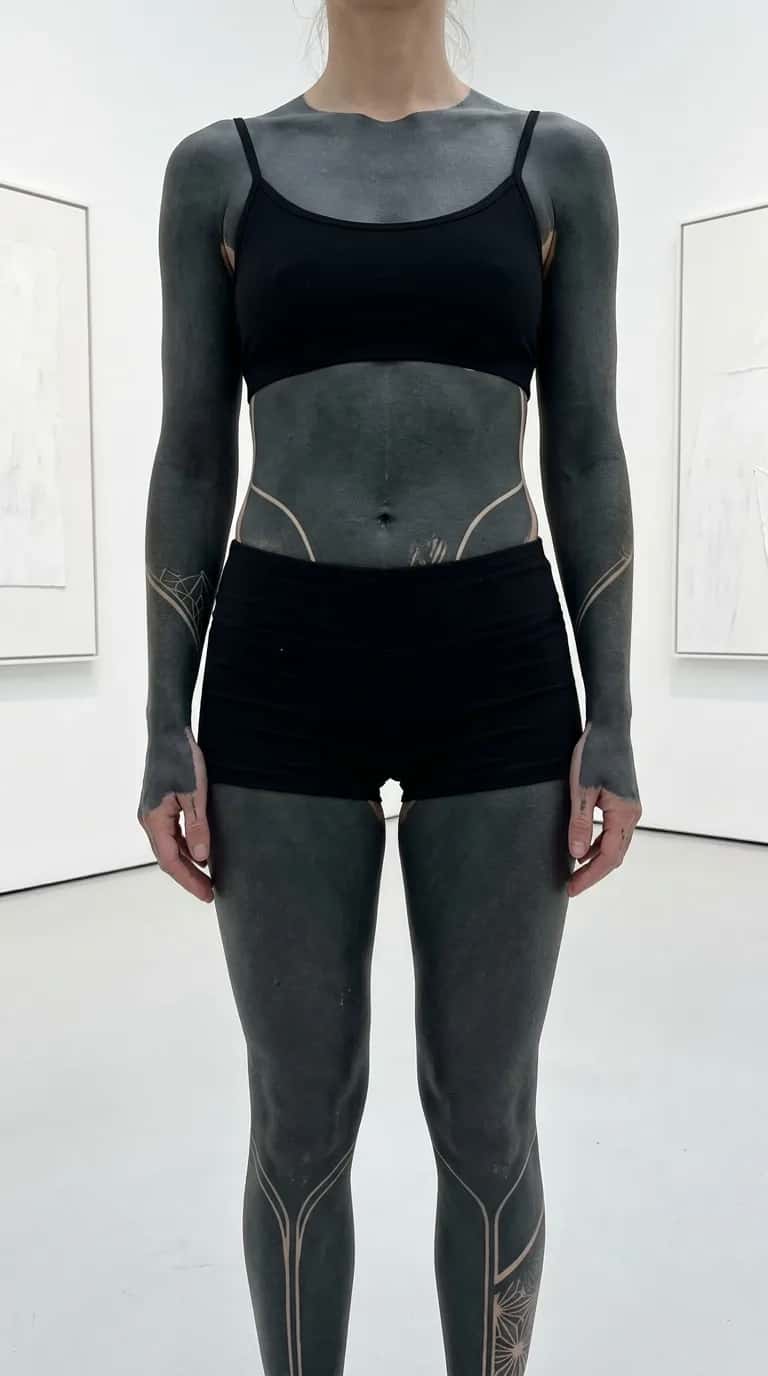
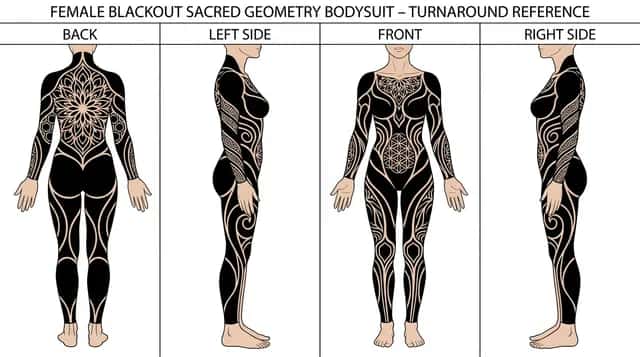
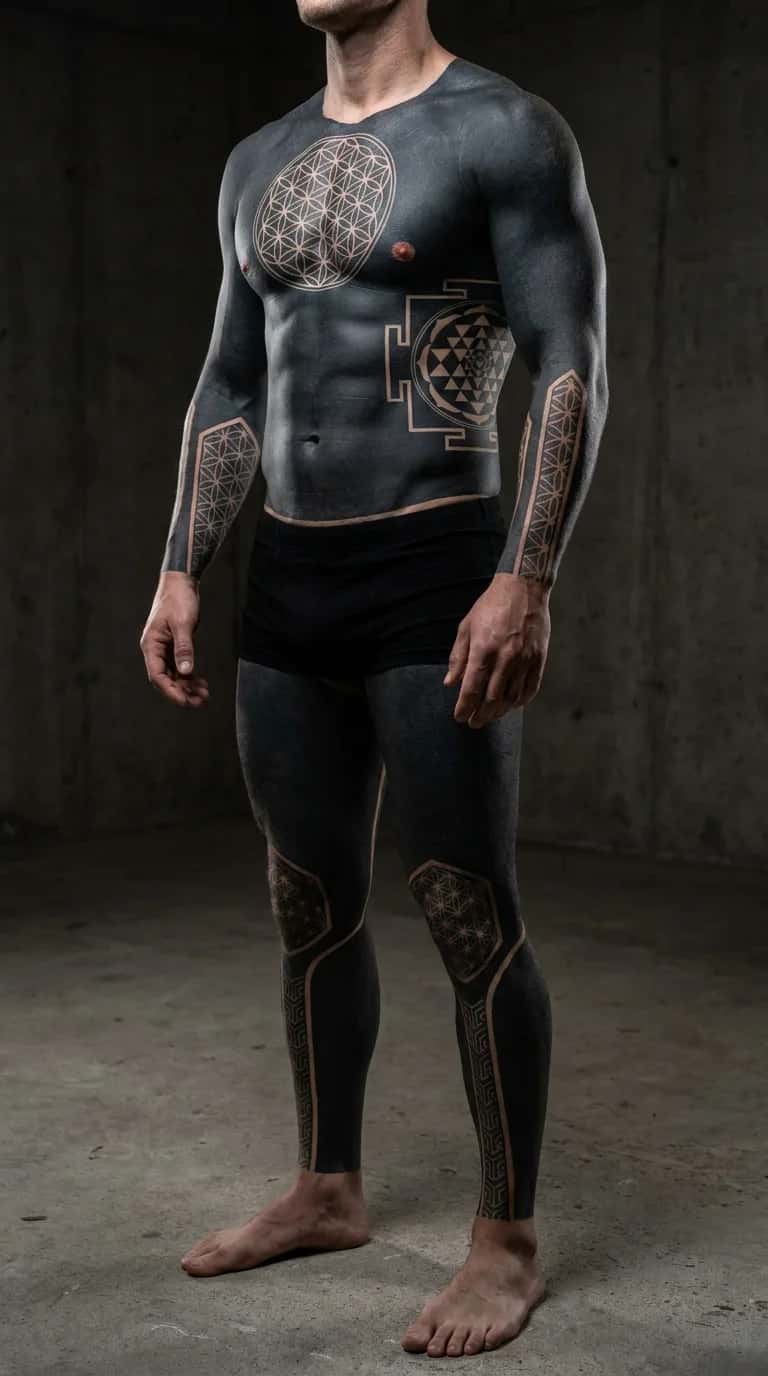
Mandala and lattice patterns revealed as bare skin within the black.
Dotwork fade
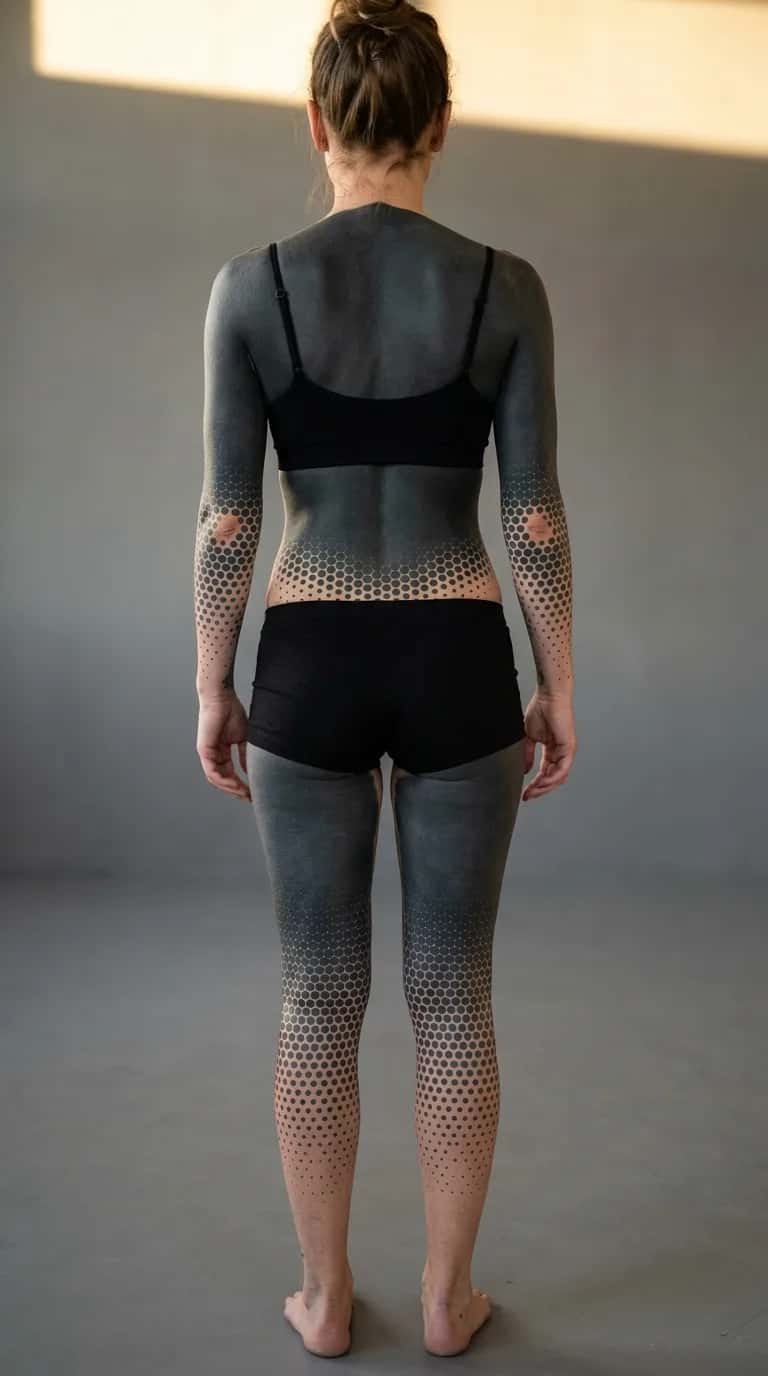
Solid black dissolving into stippled gradient at the edges.
Blackout in practice
Best placements for Blackout
Blackout rewards big, continuous surfaces — sleeves, full legs, backs and full bodysuits — where the solid black can flow uninterrupted and the negative-space design has room to read. It is less suited to small isolated pieces.
What to know before you book
- Pain
- Packing large areas of solid black is endurance work; tender zones (inner arm, ribs, behind the knee) are felt most during long saturation passes.
- Sessions
- Coverage is built in layers — most areas need a first pass plus one or more saturation passes to reach a flawless, even black.
- Cost
- Priced by time. Solid black is ink- and time-intensive, so larger pieces are a meaningful commitment.
- Healing
- Solid black can scab more than line work — follow aftercare closely. A second saturation pass is often planned once the first has fully healed.
Blackout tattoo idea gallery
20+ concepts generated with Inkeify — every one started as a prompt, not a needle.
Pick a placement
Blackout tattoo FAQ
Will the black stay solid over time?
Quality blackout settles to a deep matte black. A touch-up or planned second pass keeps it even — patchiness usually means it needed another saturation layer.
Can blackout cover old tattoos?
Yes — it is one of the most effective ways to unify or cover heavy existing work, which is why many people choose it for a fresh start.
Is the design the black or the skin?
The skin. In blackout the negative space is the design, so planning where the bare channels fall is the most important decision.