← All styles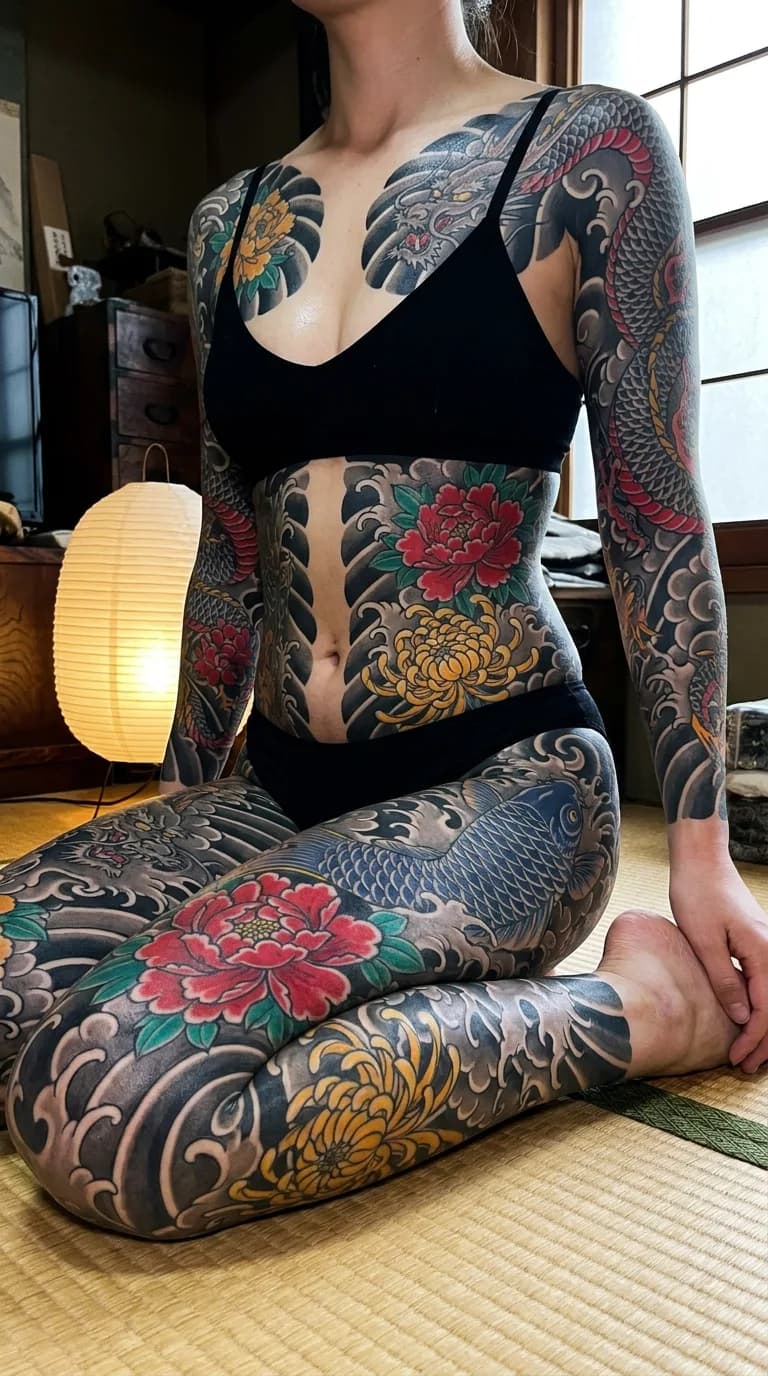


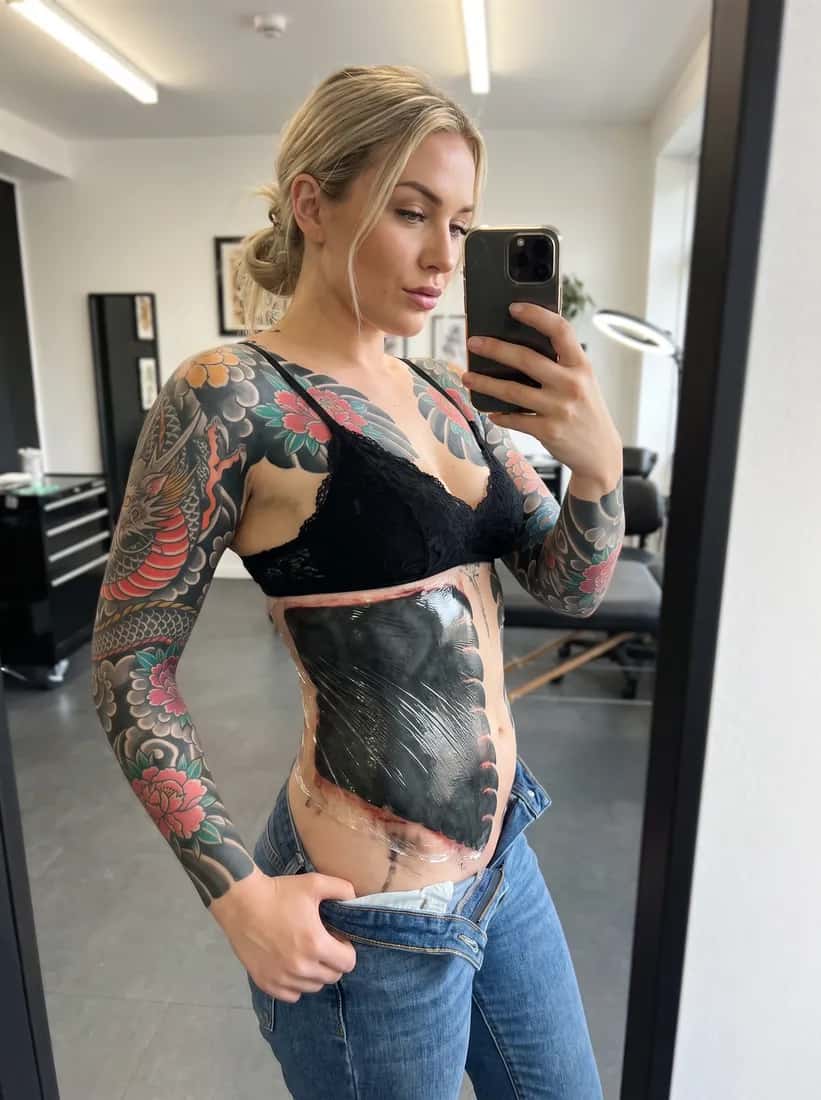
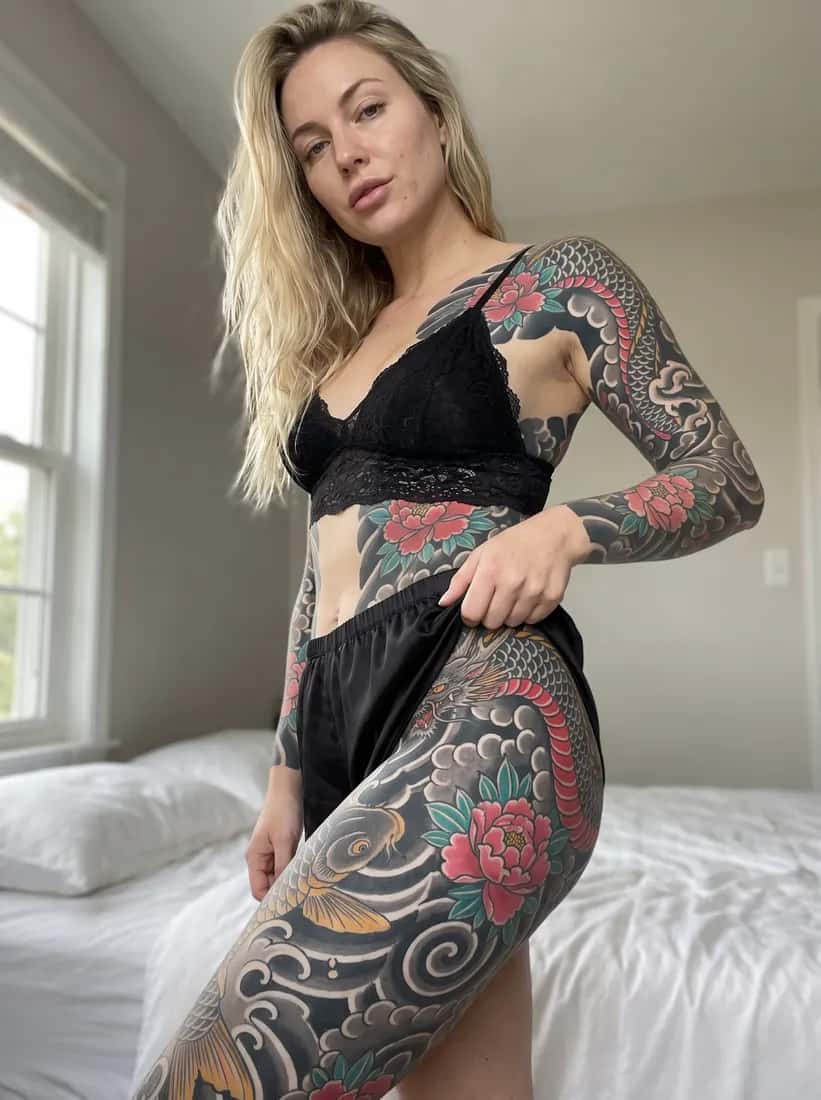

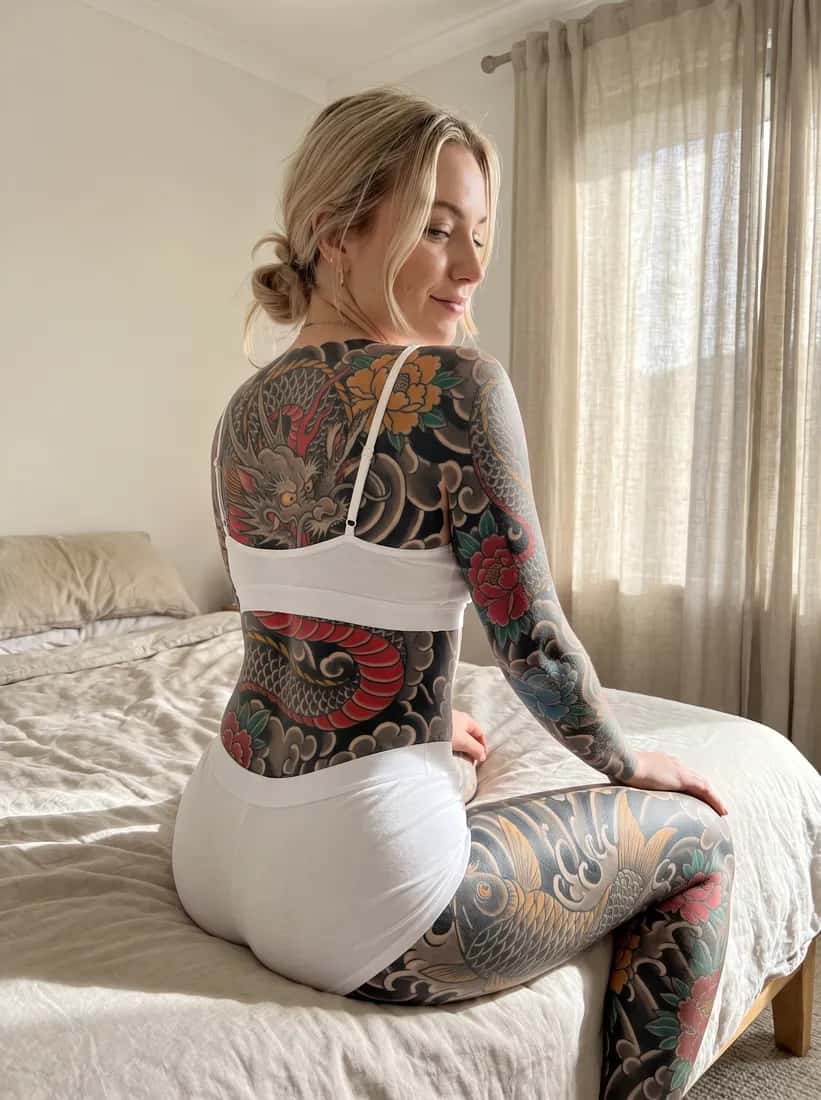
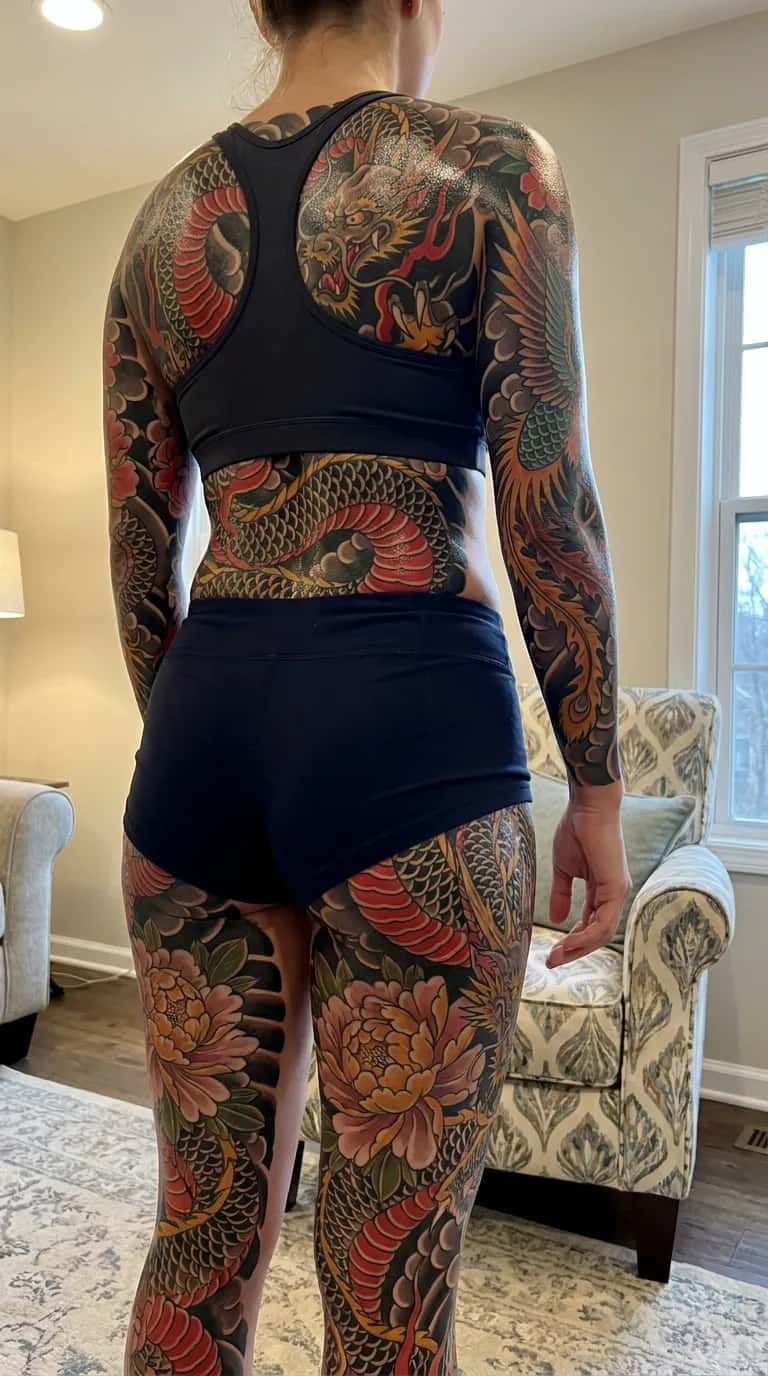
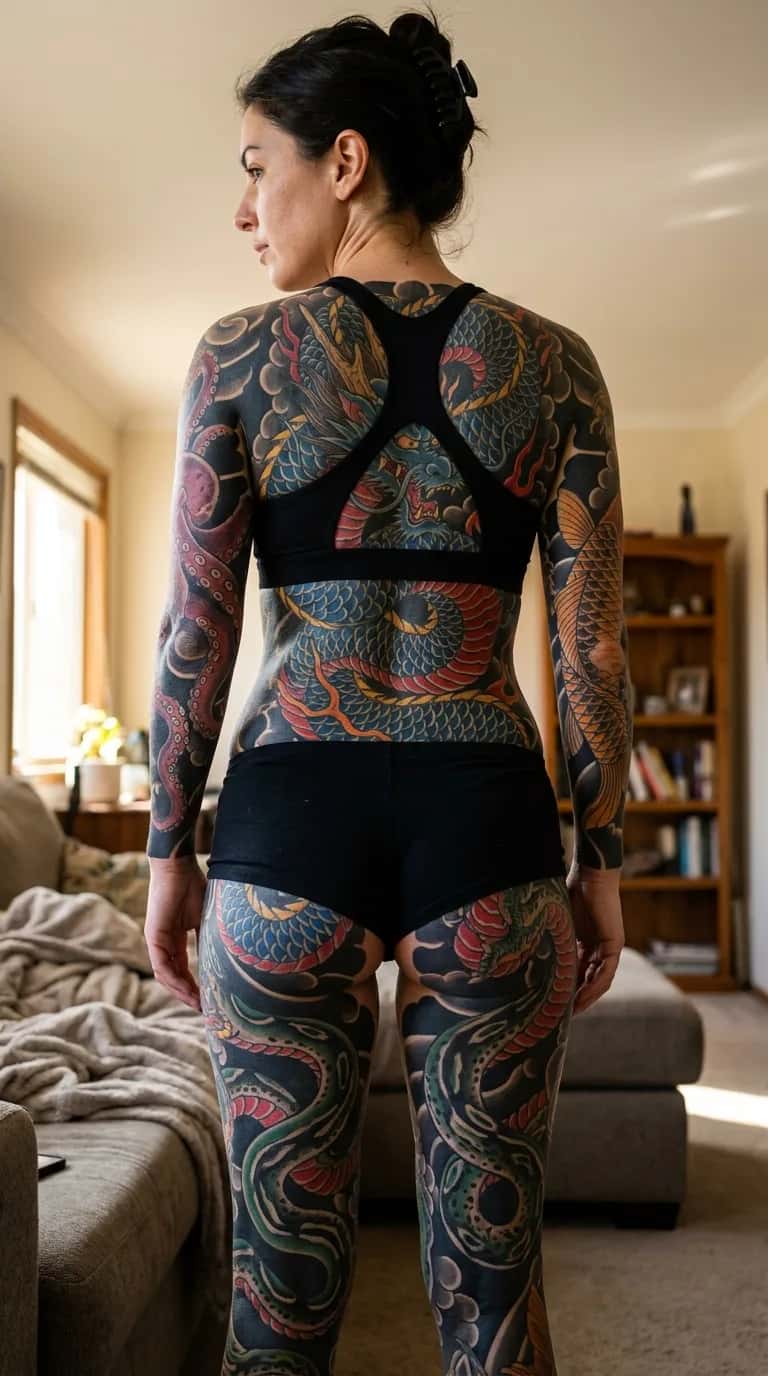
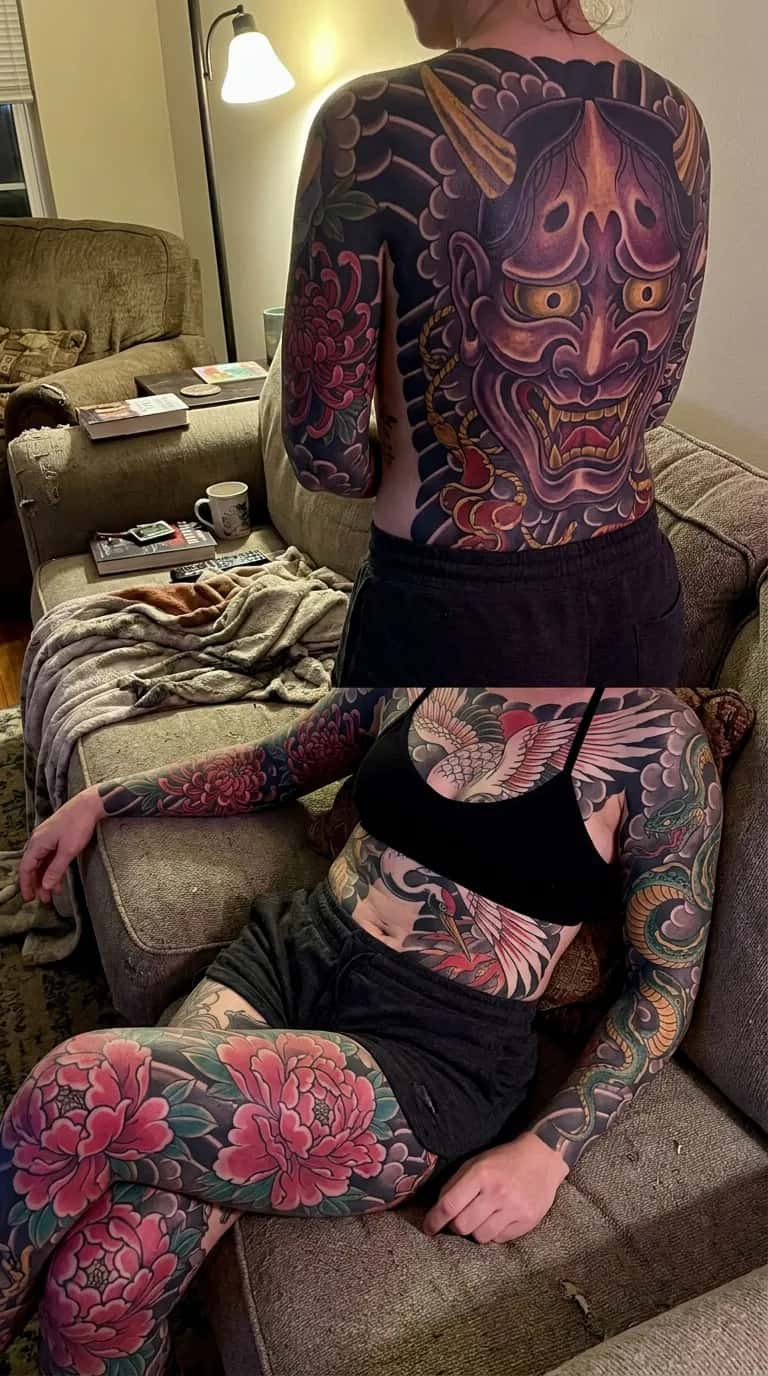
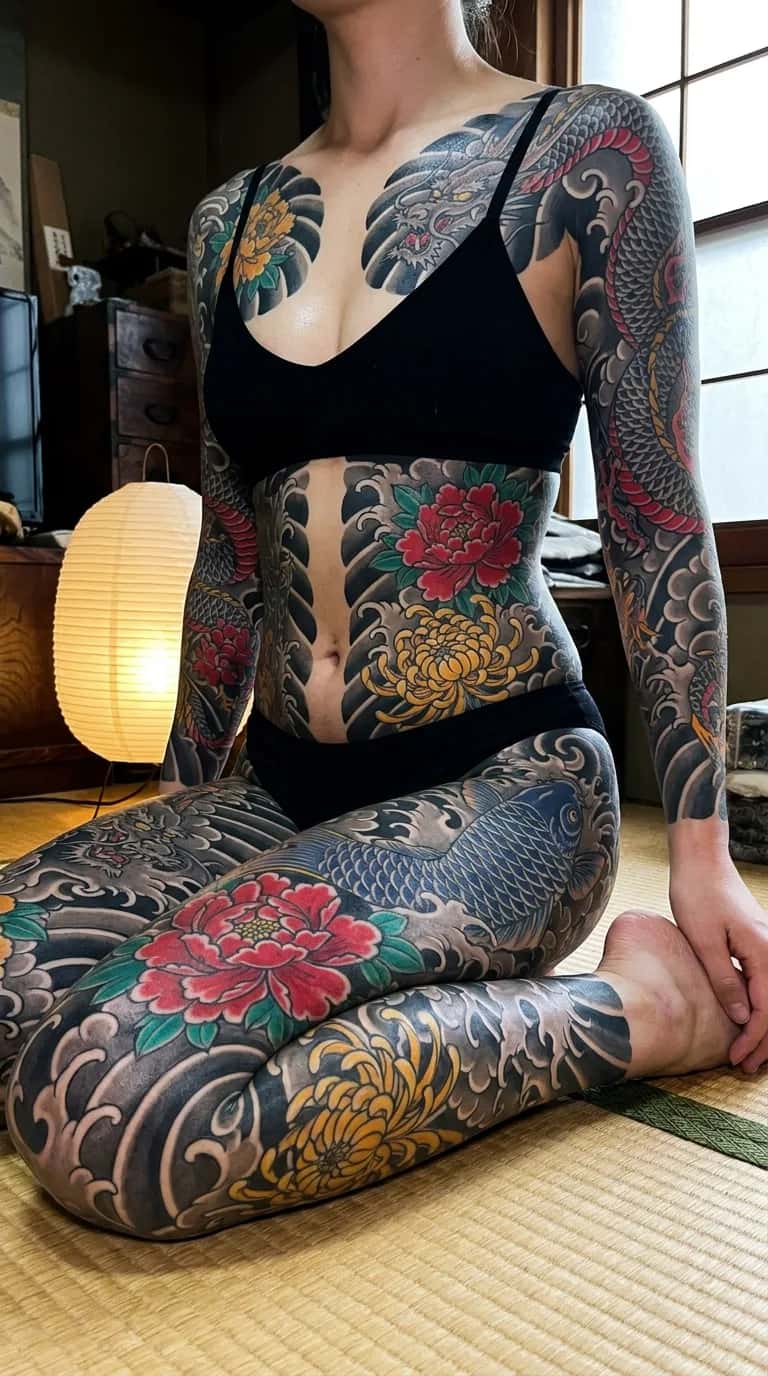
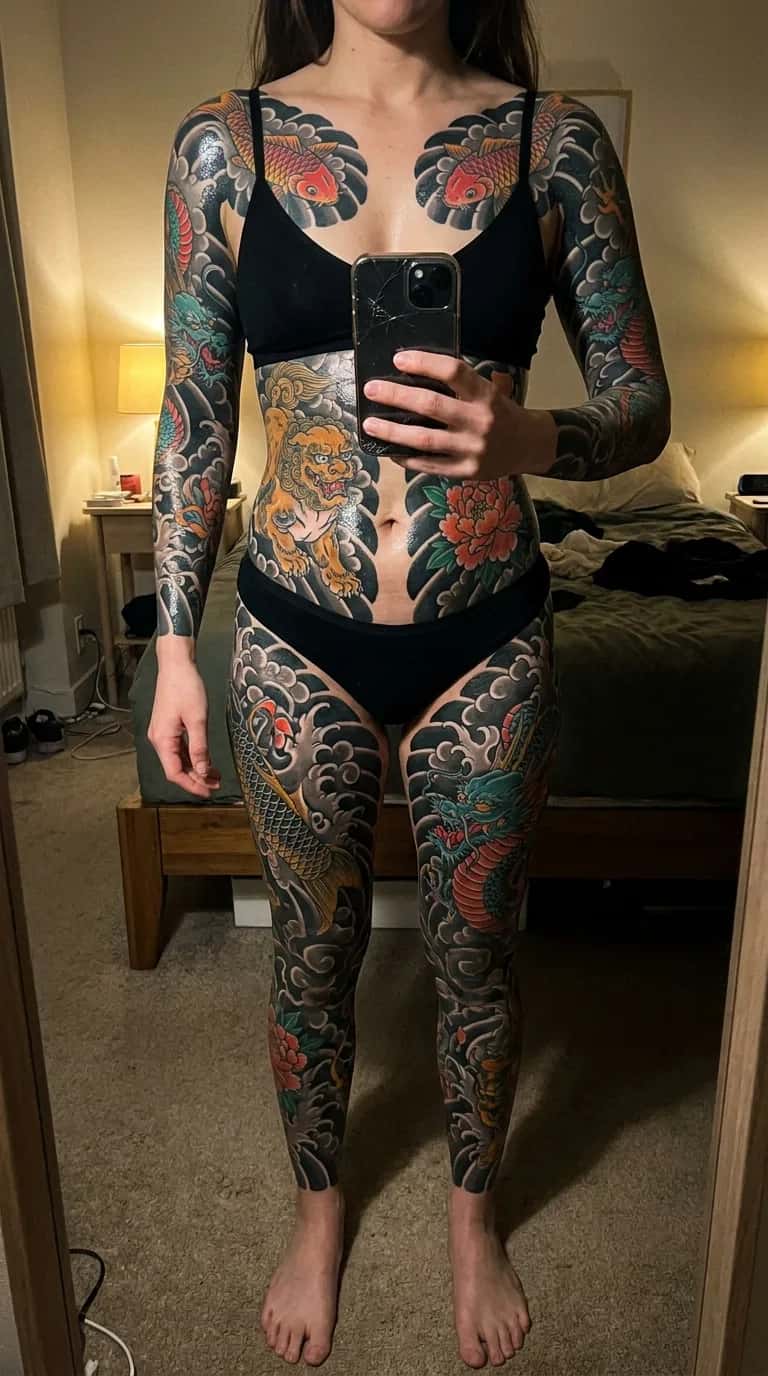
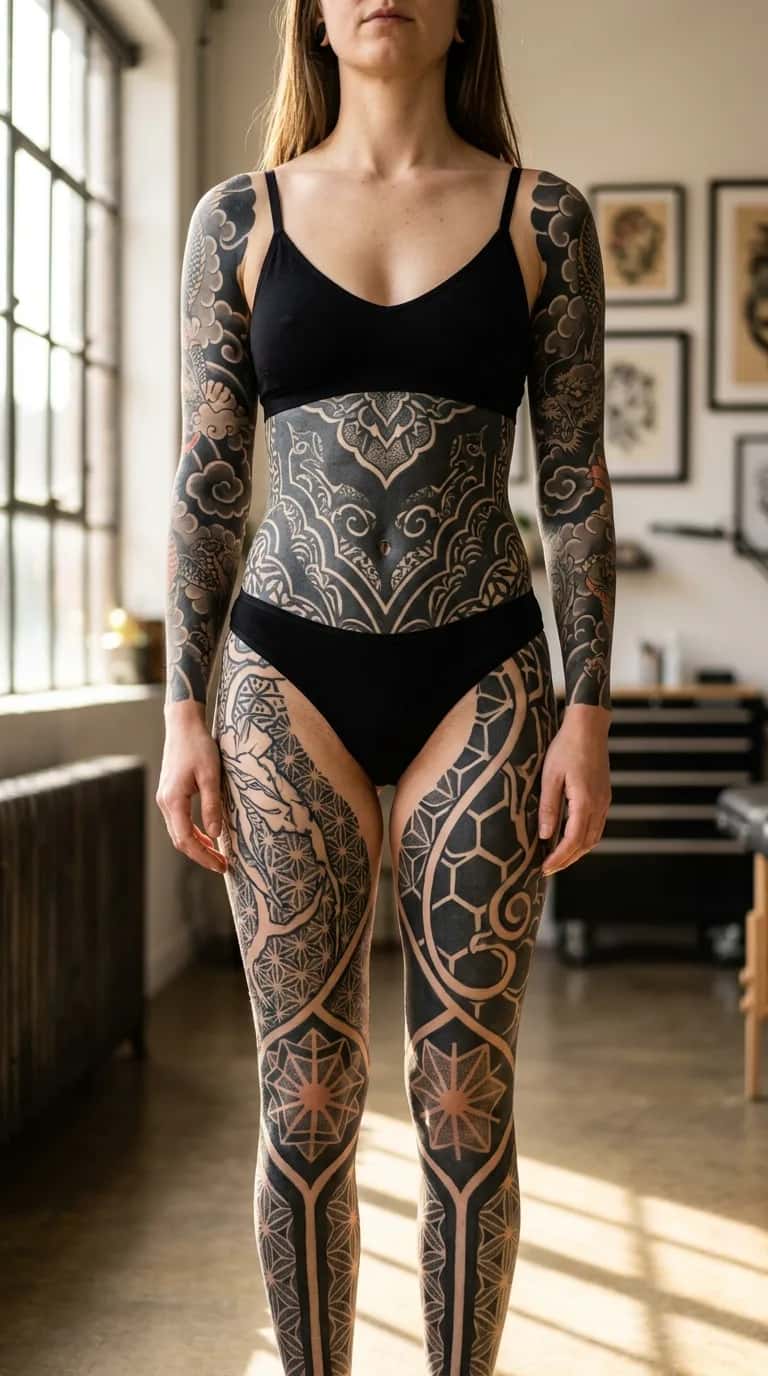
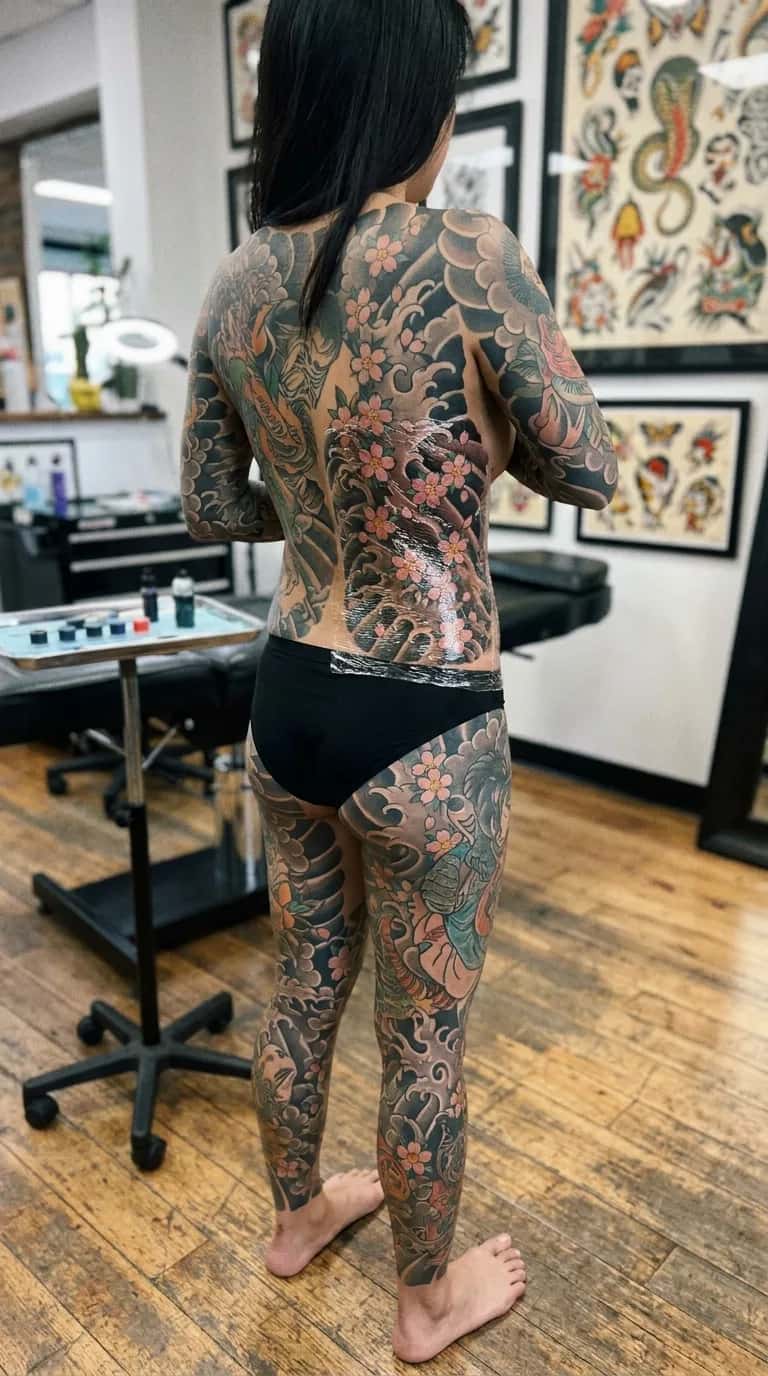
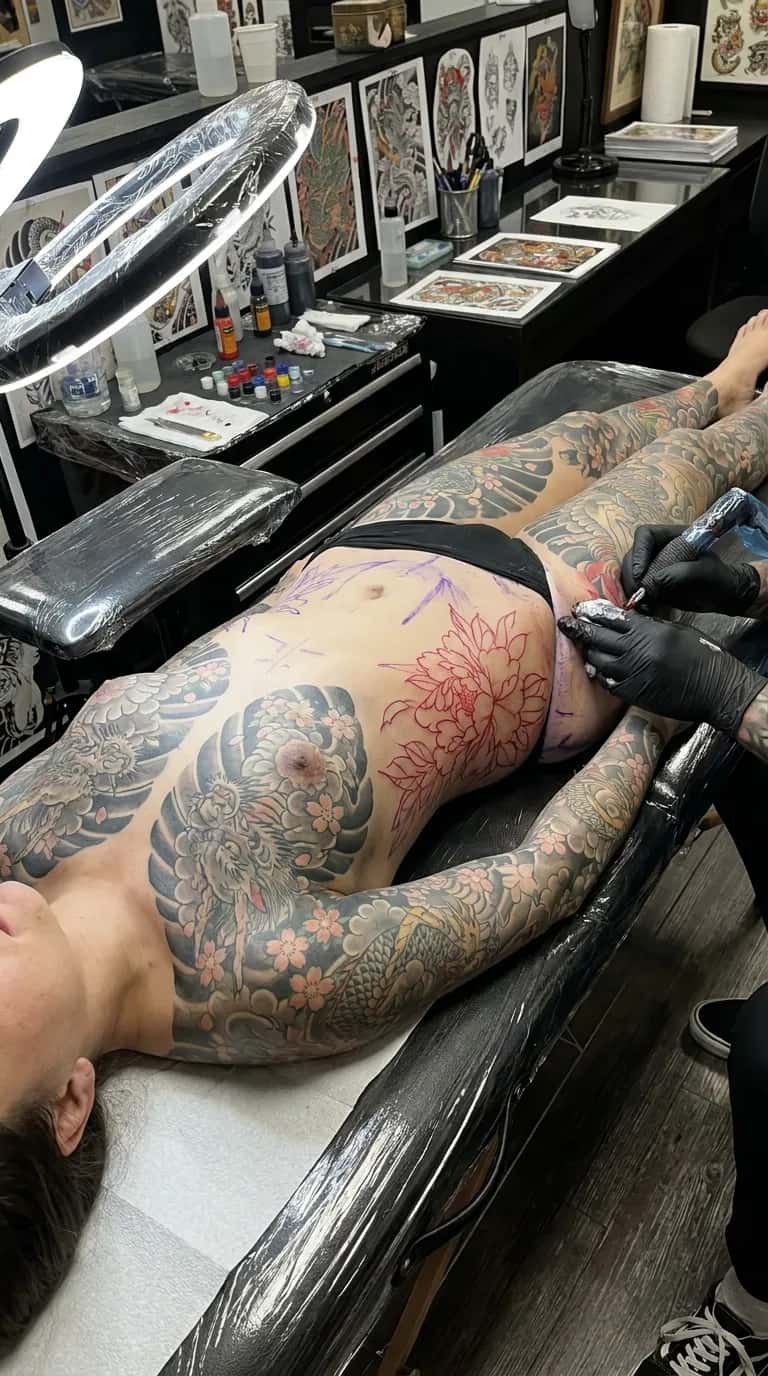
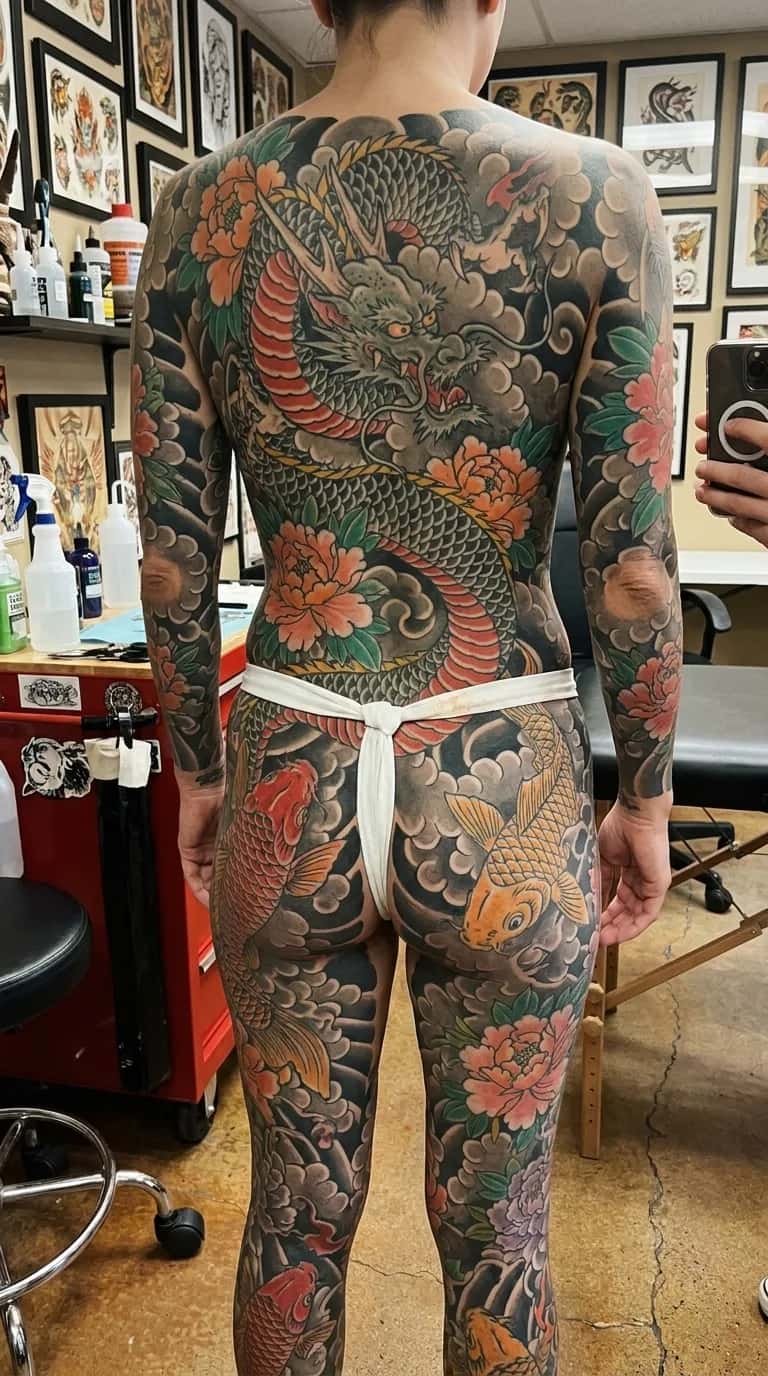
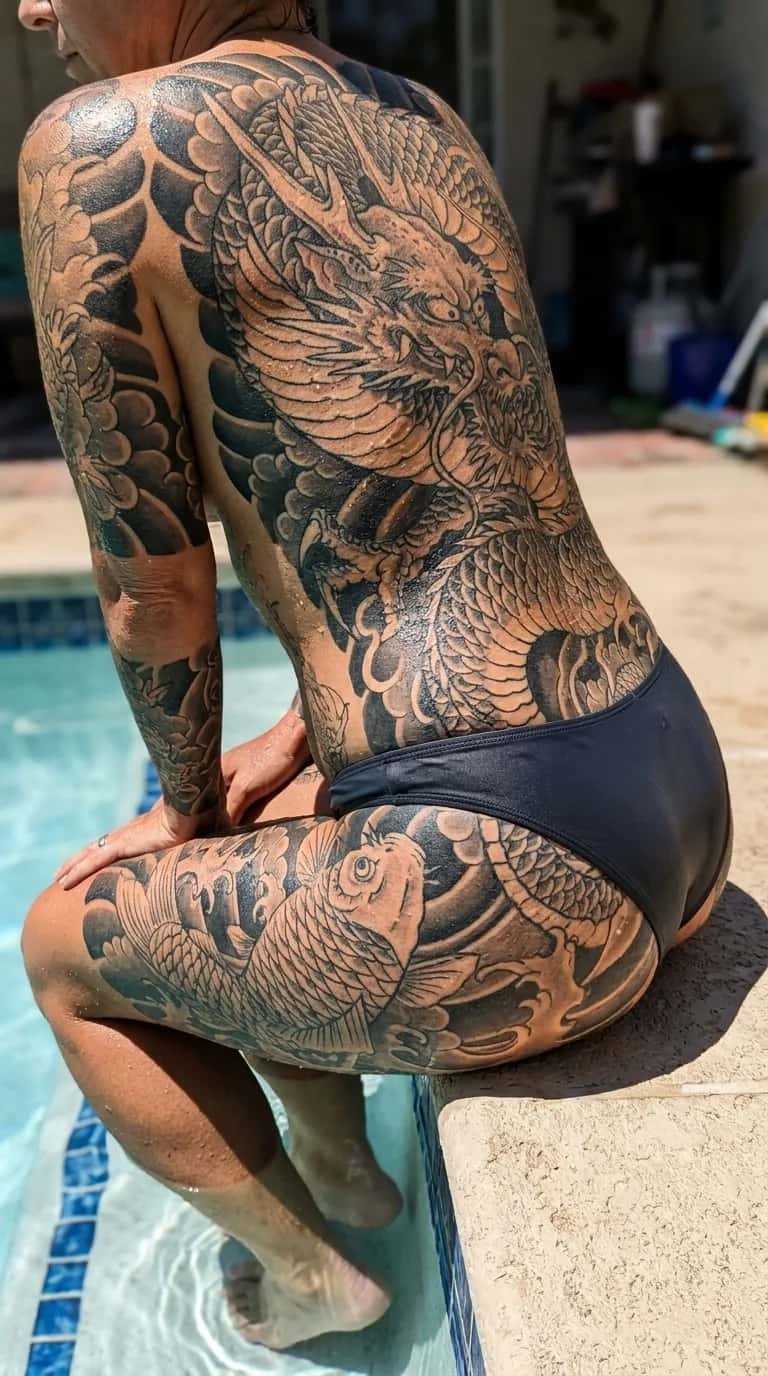
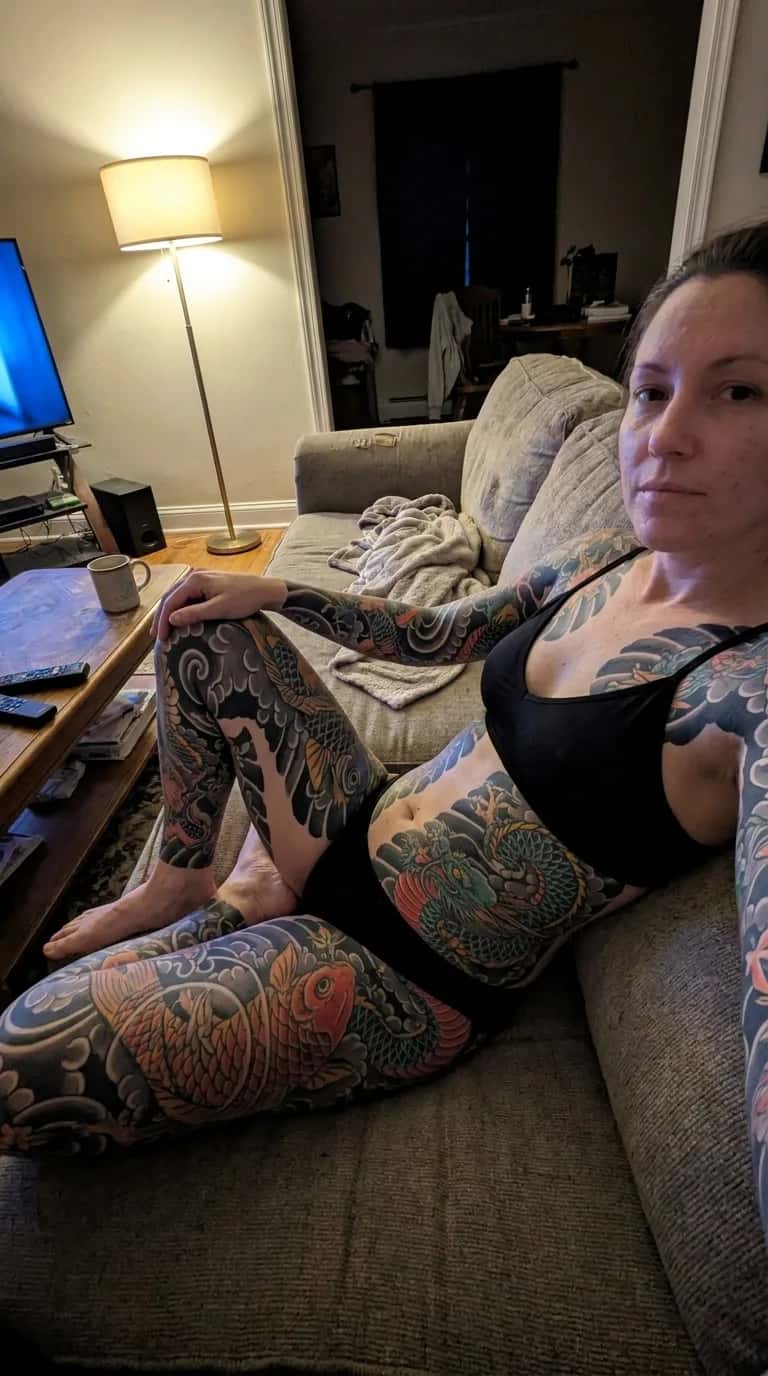
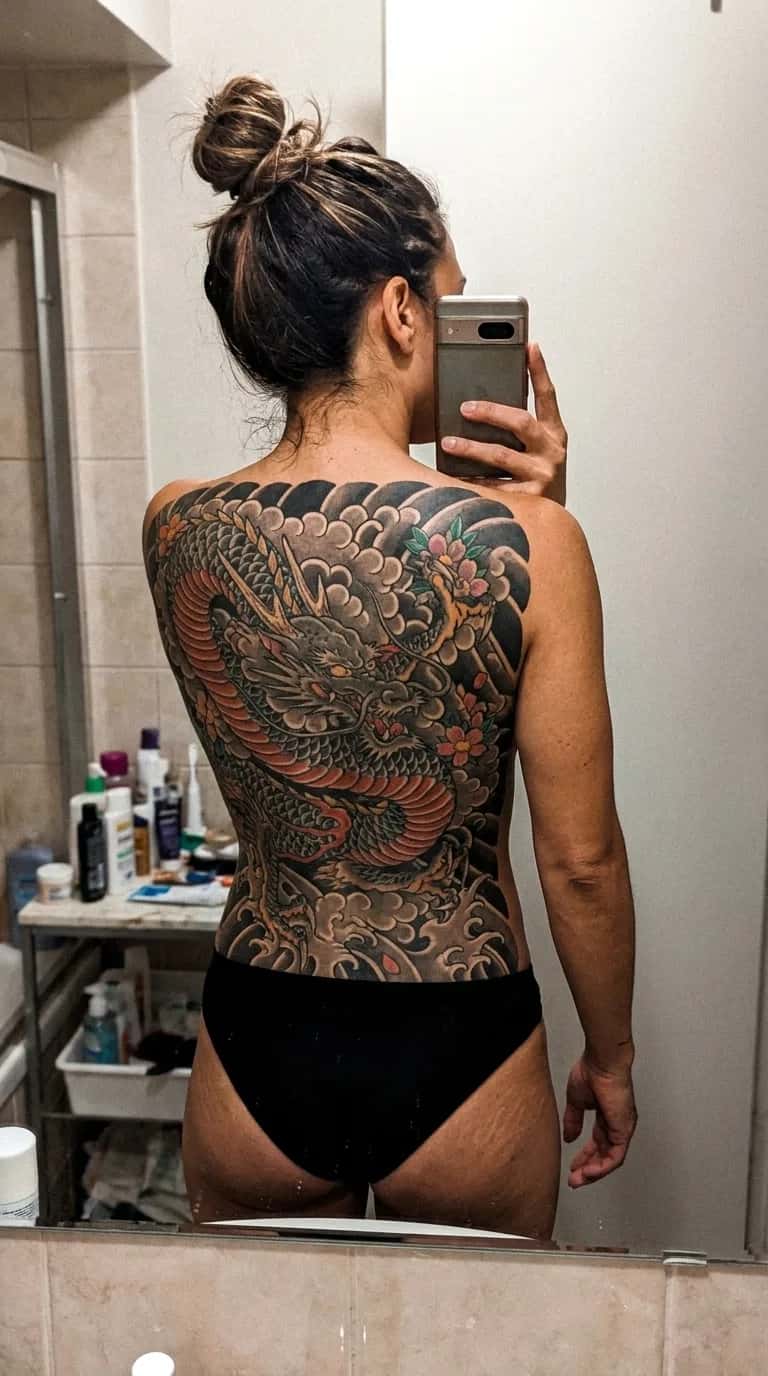
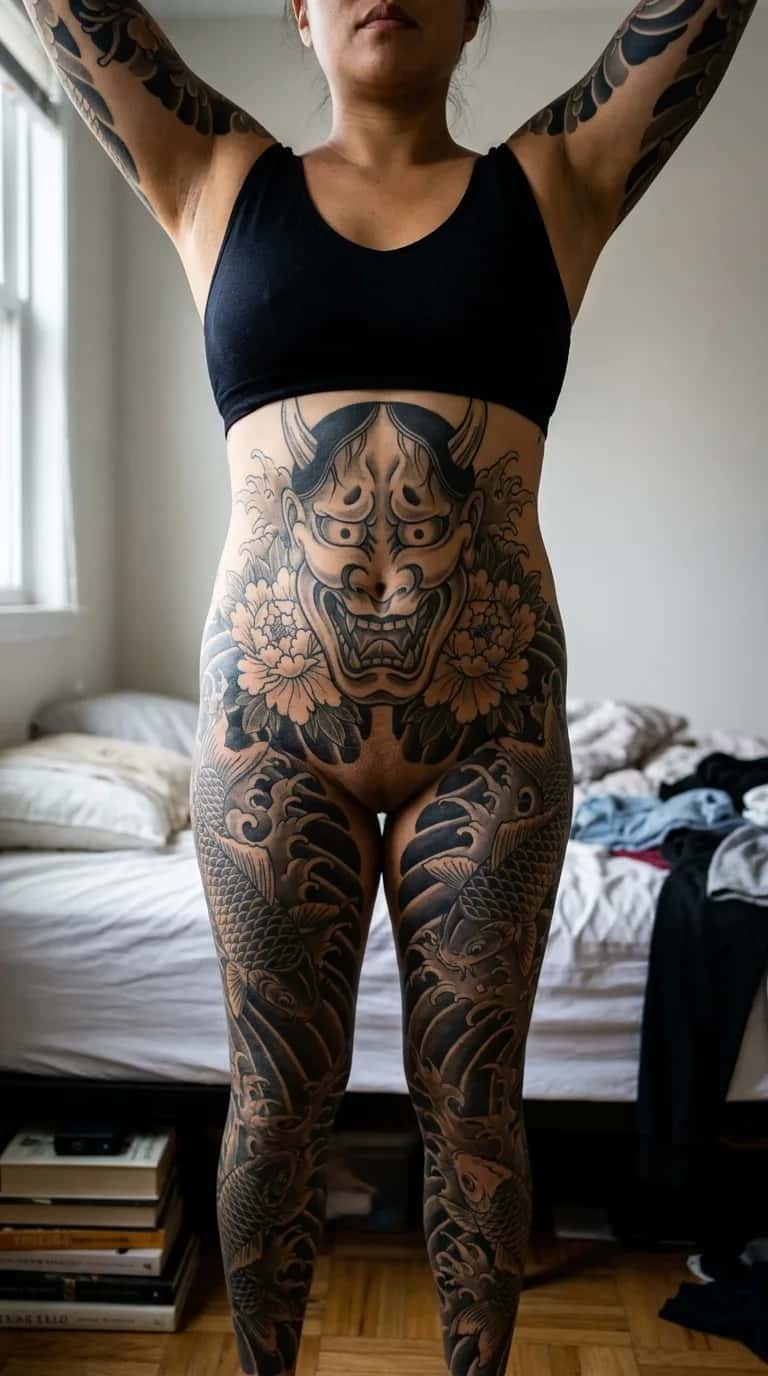
40+ Japanese (Irezumi) Tattoo Ideas
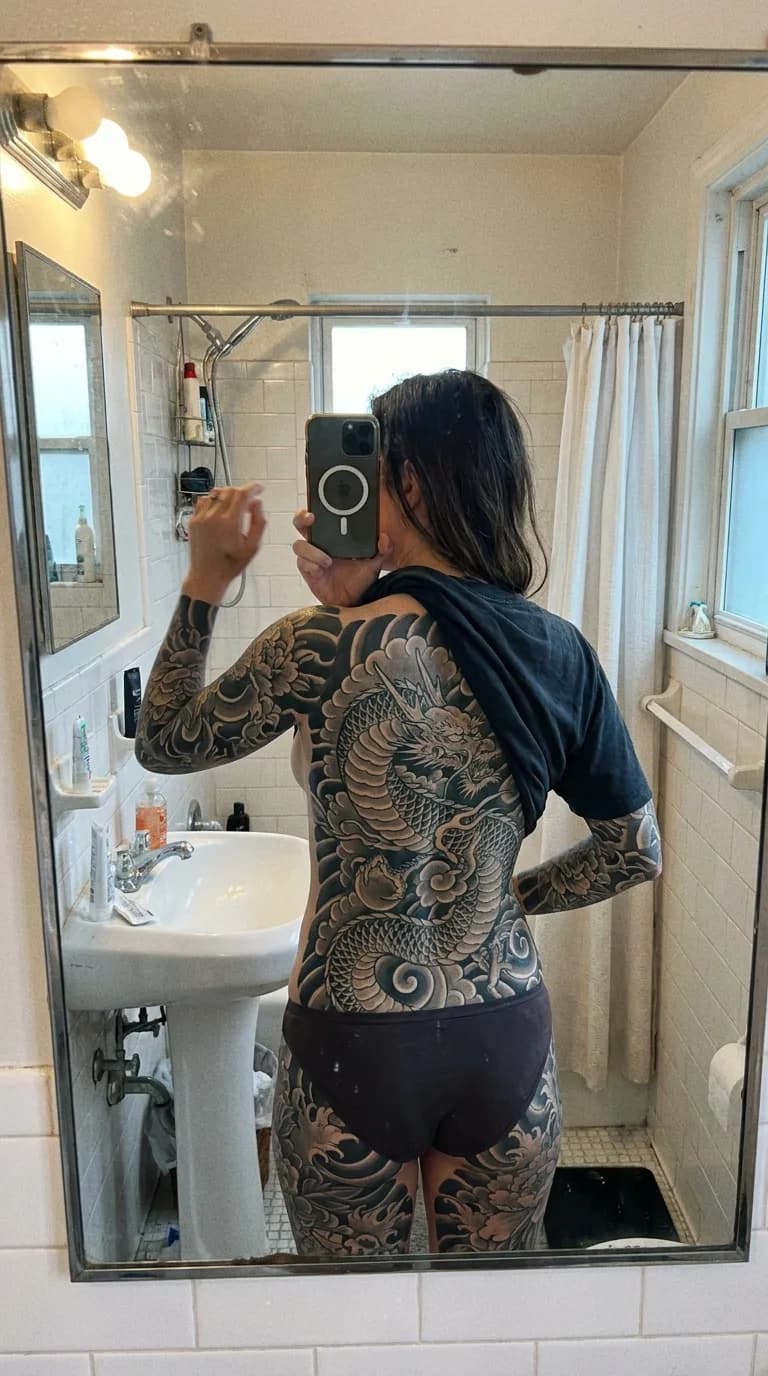
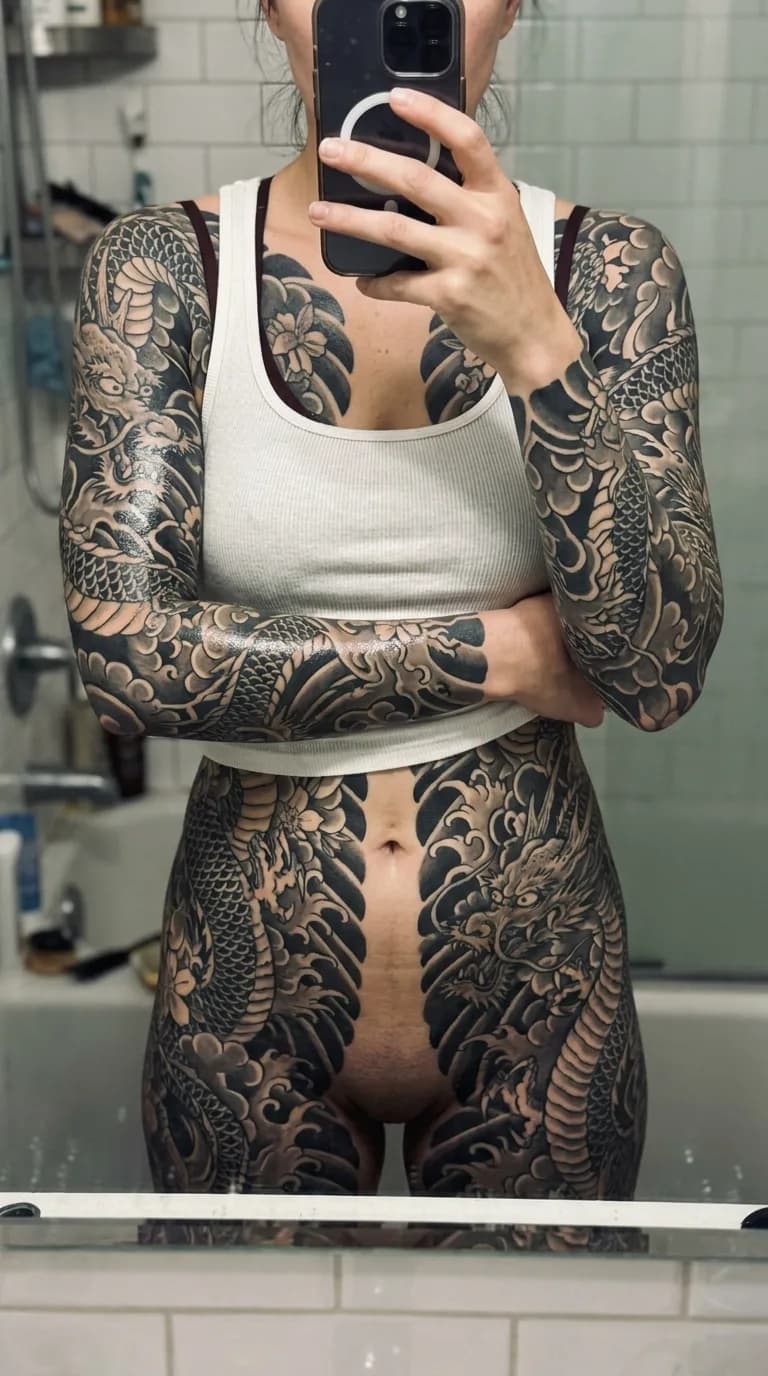
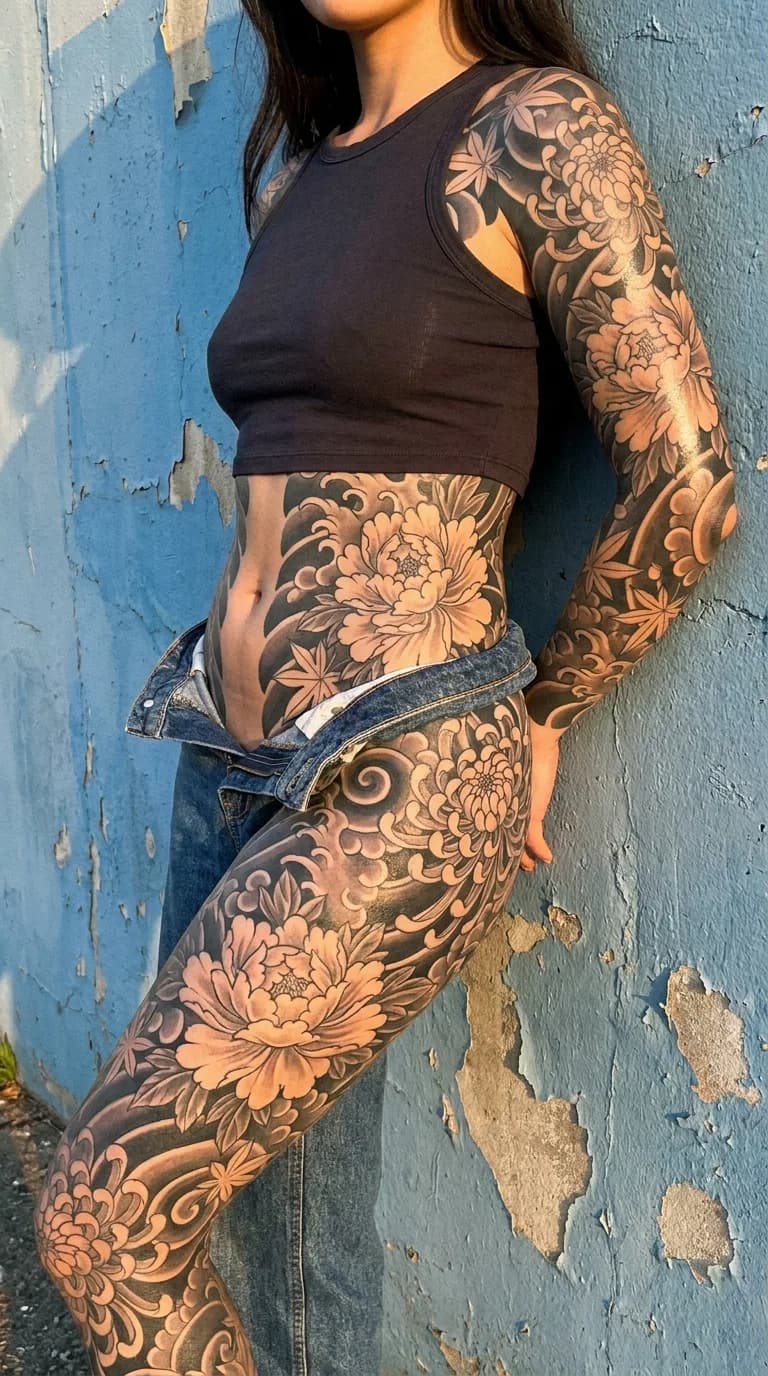
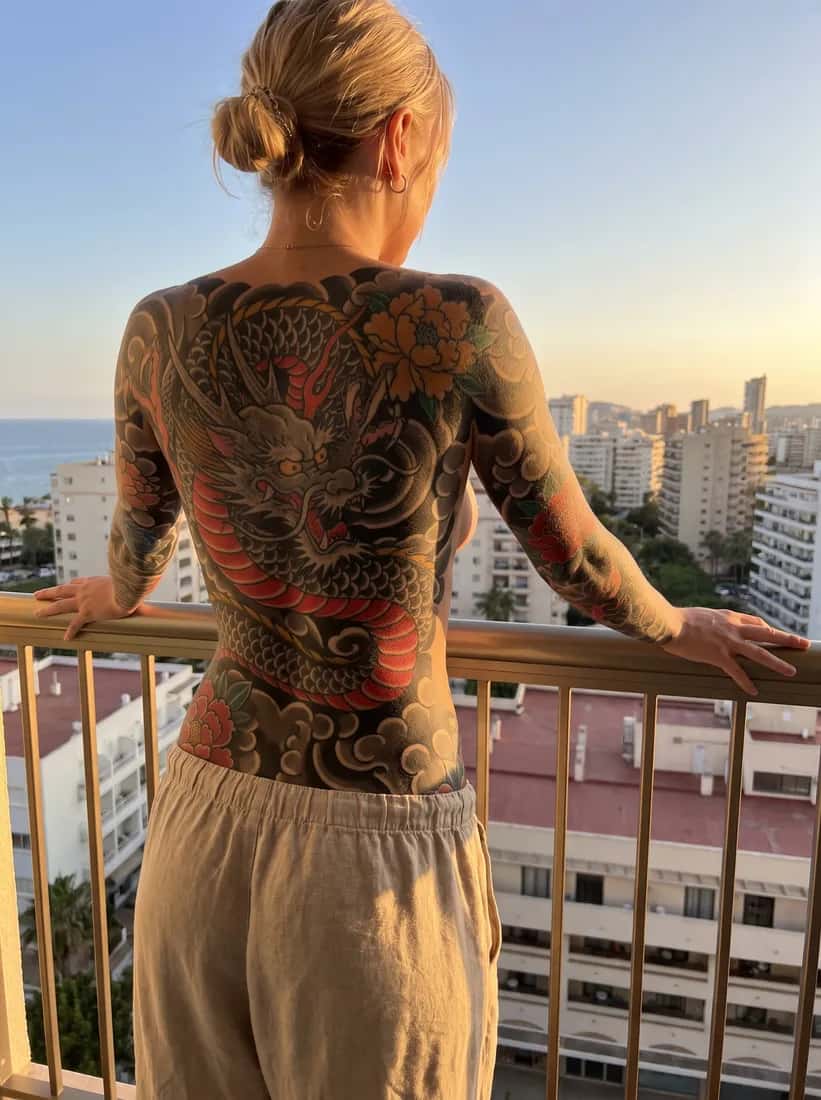
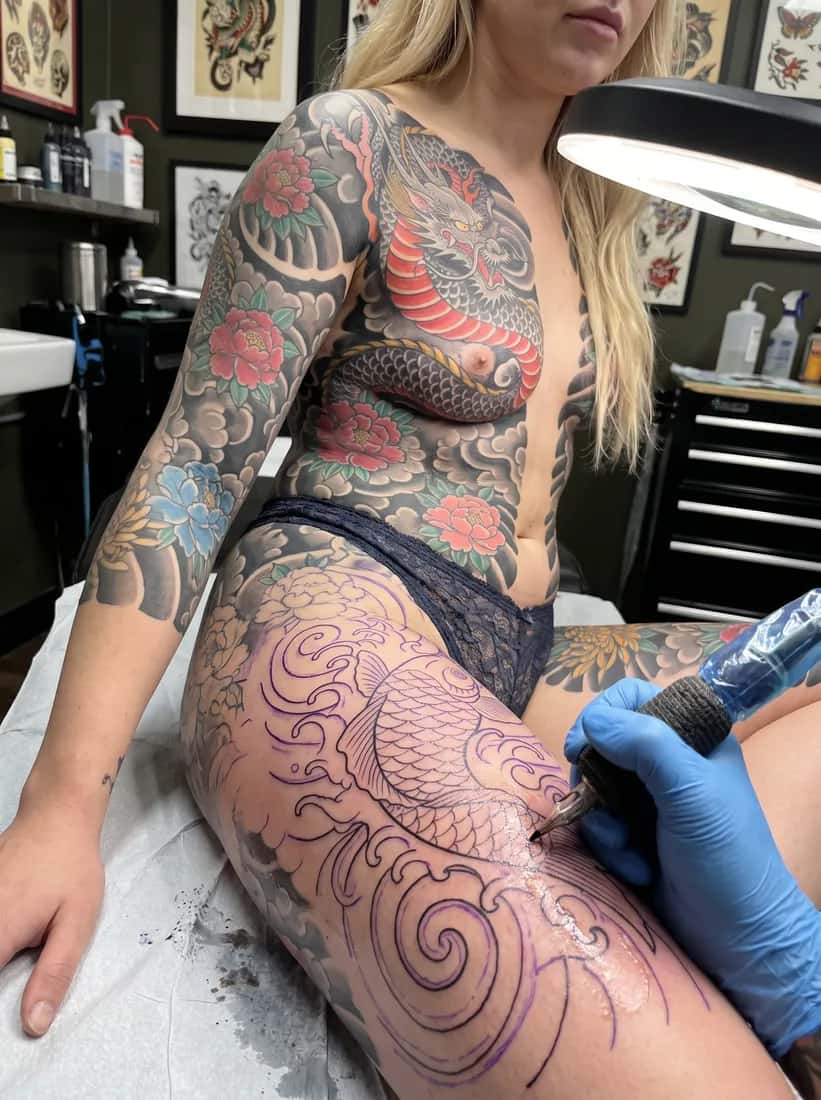
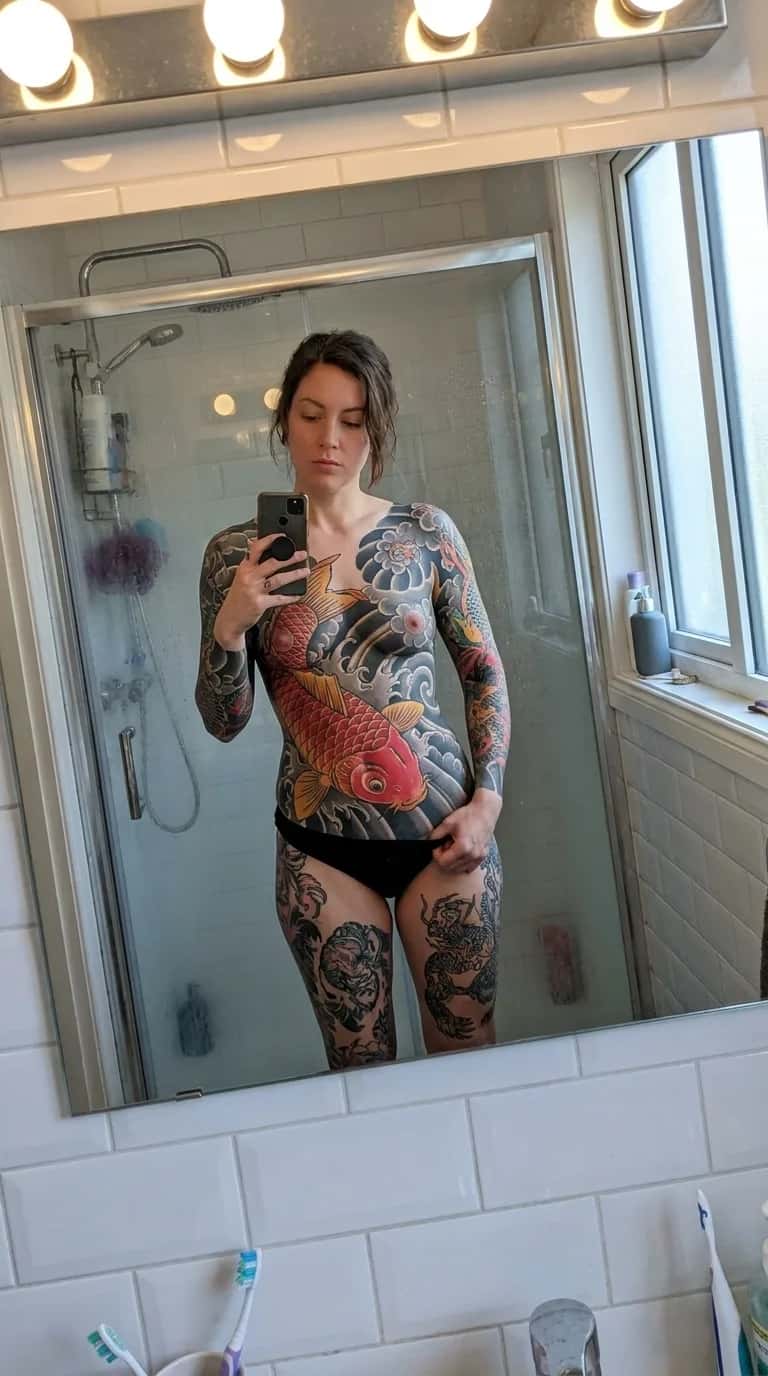
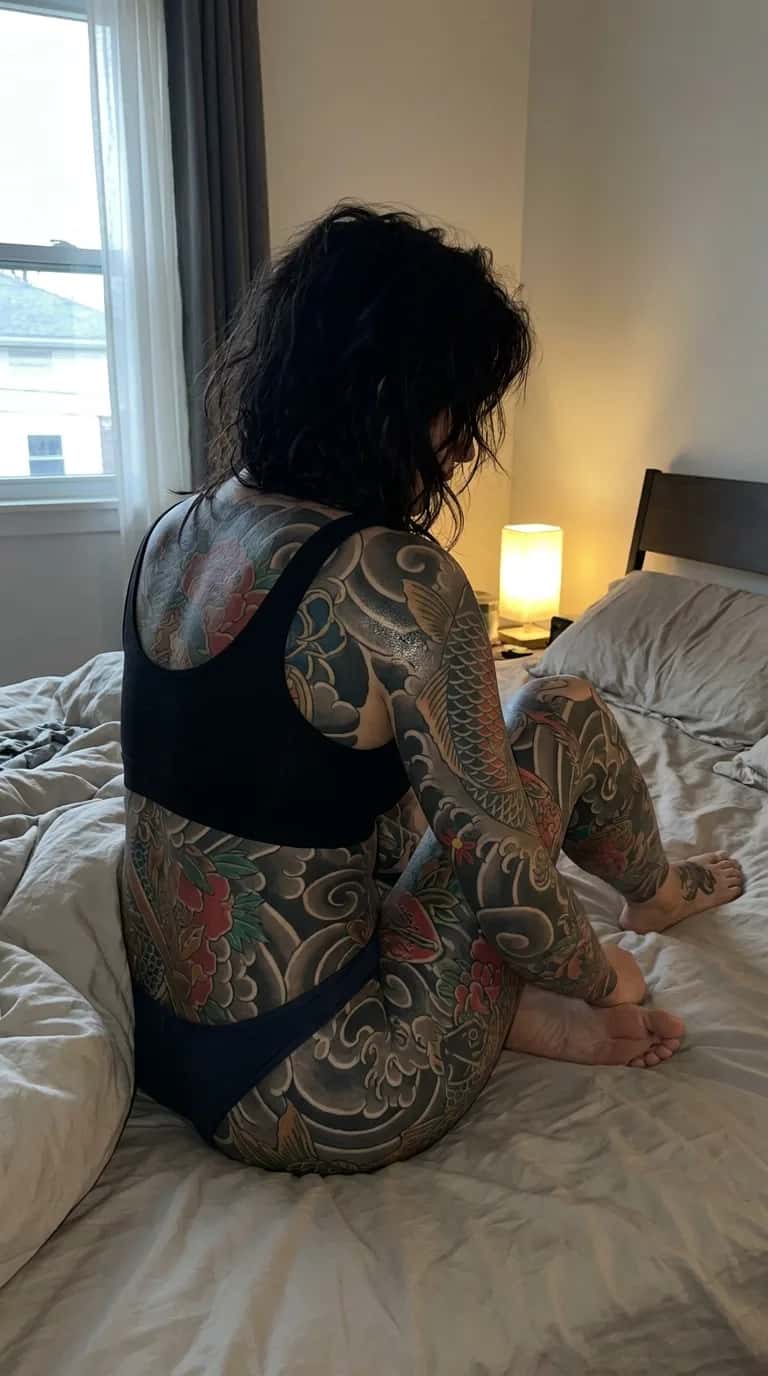
Japanese tattooing — irezumi — is the most complete tattoo tradition in the world: every motif carries meaning, and every gap is filled with flowing gakubori background so the whole body reads as one composition. It is the style most suited to large-scale work, from a single sleeve to a full soushinbori bodysuit.
Generate Japanese concepts in seconds
See your Japanese idea before it's permanent. Try multiple compositions side by side — free, no watermark.
Generate Japanese designs →Where Japanese (Irezumi) came from
Irezumi grew out of Edo-period Japan, shaped by woodblock prints (ukiyo-e) and the heroes of the Suikoden. Traditional artists work to a strict visual grammar: a bold subject (the dragon, tiger, koi or deity), seasonal supporting flora, and a unifying background of wind bars, clouds and waves that ties motifs together and follows the movement of the body. That grammar is exactly what makes irezumi translate so well to AI concepting — the rules give the composition structure.
Signature motifs & elements
Ryū (dragon)
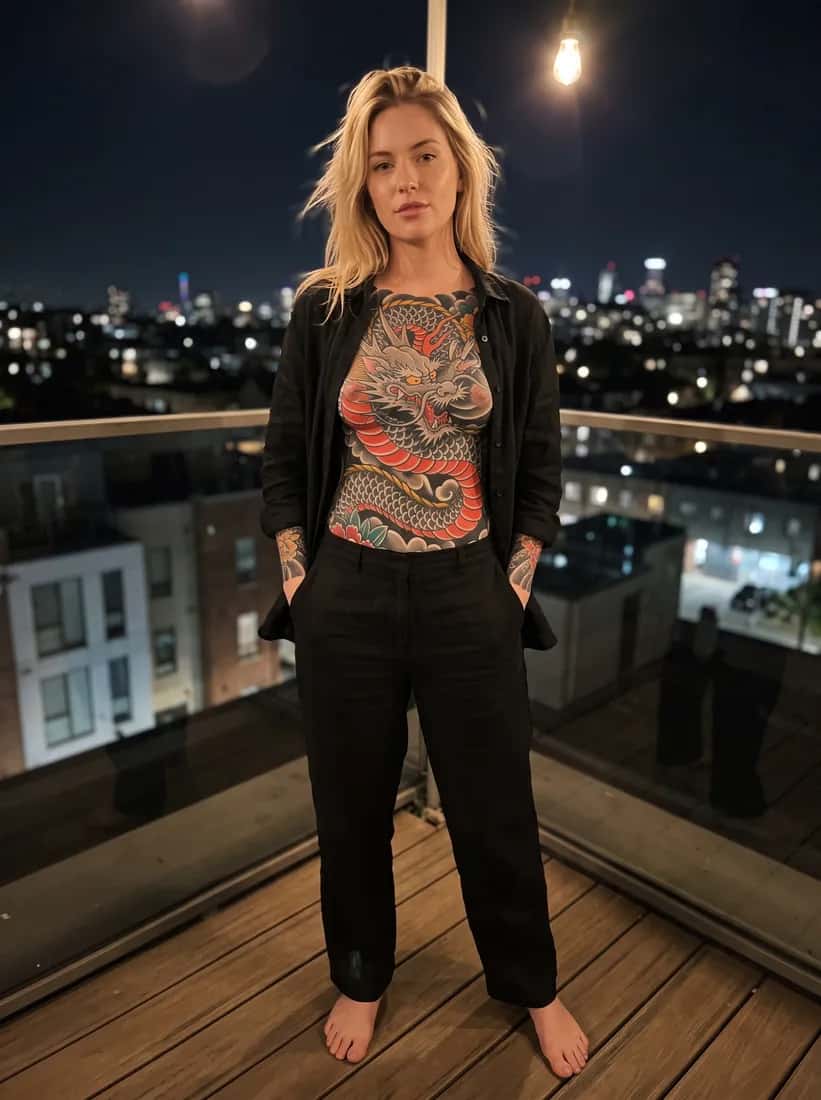
Wisdom and protection — usually climbing the back or a sleeve through clouds.
Tora (tiger)
Courage and strength — paired with wind and bamboo.
Koi
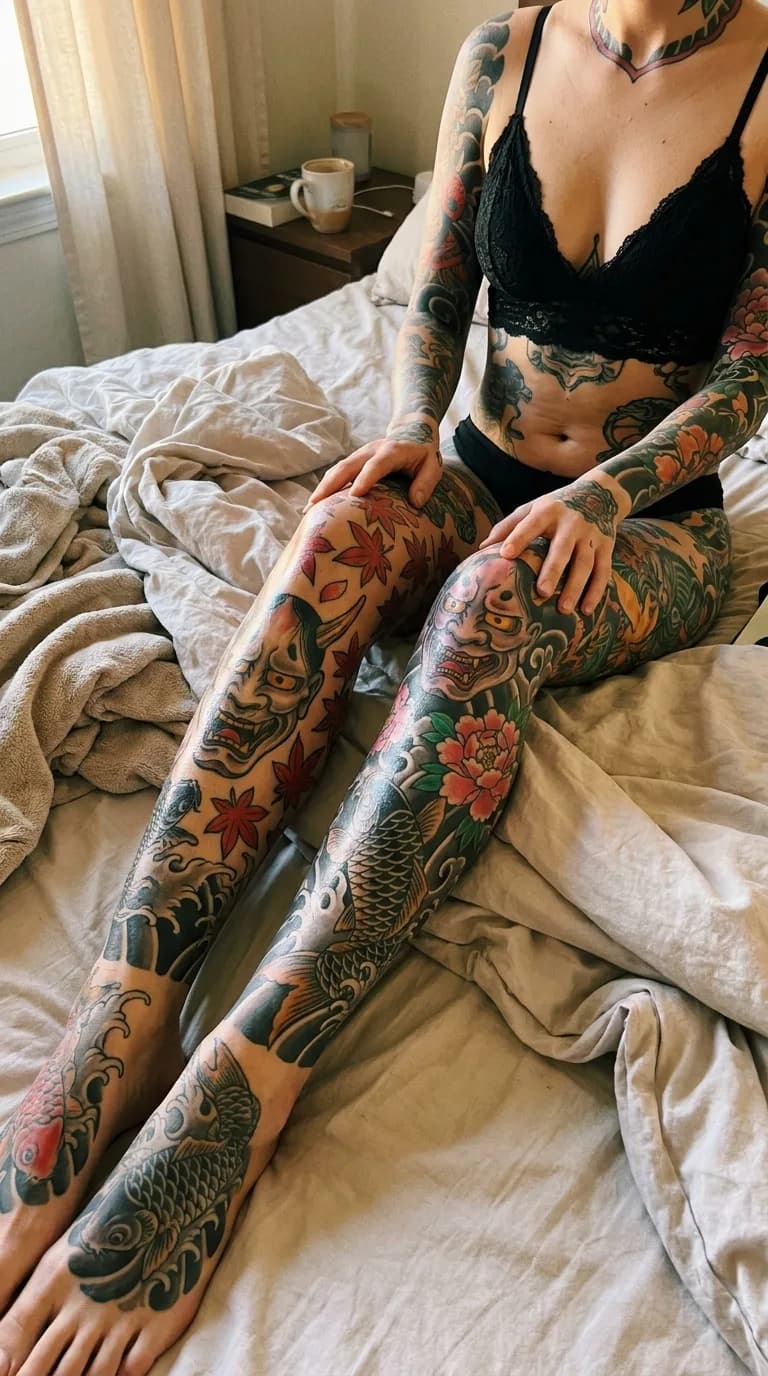
Perseverance; ascending koi transform into dragons.
Hō-ō (phoenix)
Rebirth — spread across the back or shoulders.
Botan (peony)
Wealth and boldness — a classic filler flower.
Gakubori background
Waves, clouds and wind bars that fill negative space and unify the piece.
Japanese (Irezumi) in practice
Best placements for Japanese (Irezumi)
Irezumi is built for scale. It looks strongest where there is room for a subject and its background to breathe — full sleeves, back pieces, chest panels and full legs — and it is the only style designed from the ground up to connect those areas into a single bodysuit.
What to know before you book
- Pain
- Ribs, sternum, spine and inner arm are the tender zones; outer arm and outer thigh are far more comfortable. Large colour-packing sessions are more about endurance than sharp pain.
- Sessions
- A sleeve is typically several sessions; a back piece or bodysuit is a long-term project measured in months to years of regular sittings.
- Cost
- Priced by session or by the hour. Background-heavy traditional work takes time, so budget for the colour-packing stage as well as the outline.
- Healing
- Each section heals in 2–3 weeks. Keep healing skin out of direct sun and moisturised; colour saturation settles over the first month.
Japanese (Irezumi) tattoo idea gallery
40+ concepts generated with Inkeify — every one started as a prompt, not a needle.
Fresh Japanese from the community
Recently shared on the Inkeify Discover feed.


Pick a placement
Japanese (Irezumi) tattoo FAQ
Do I have to commit to a full bodysuit?
No — irezumi works at any scale. Many people start with a single sleeve or back piece designed so it could later extend into a full suit.
Can I mix motifs?
Yes, but traditional irezumi keeps a coherent theme and season. Inkeify's planner keeps motifs and background consistent across stages so the whole piece reads as one design.
What's the bare-skin centre gap on the chest?
The munewari layout leaves a clean strip down the centre of the torso — a traditional choice that lets the suit be 'closed' visually while leaving the sternum bare.